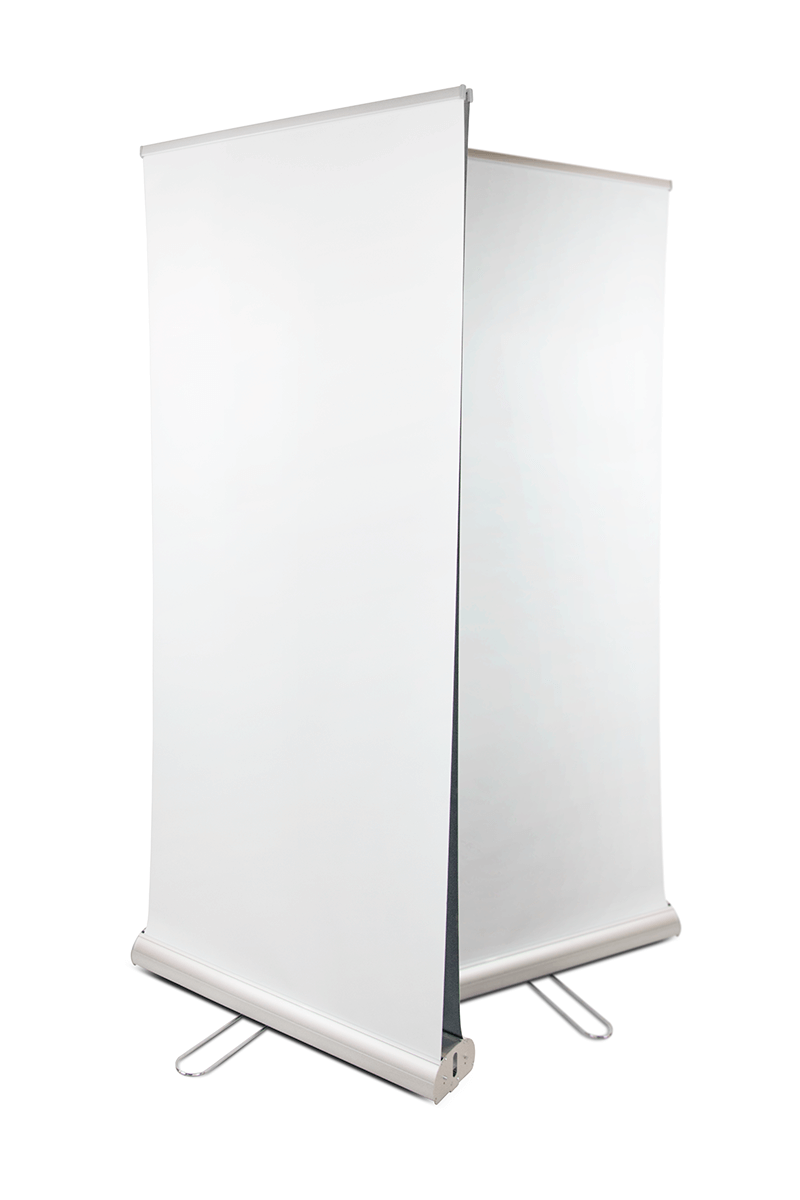
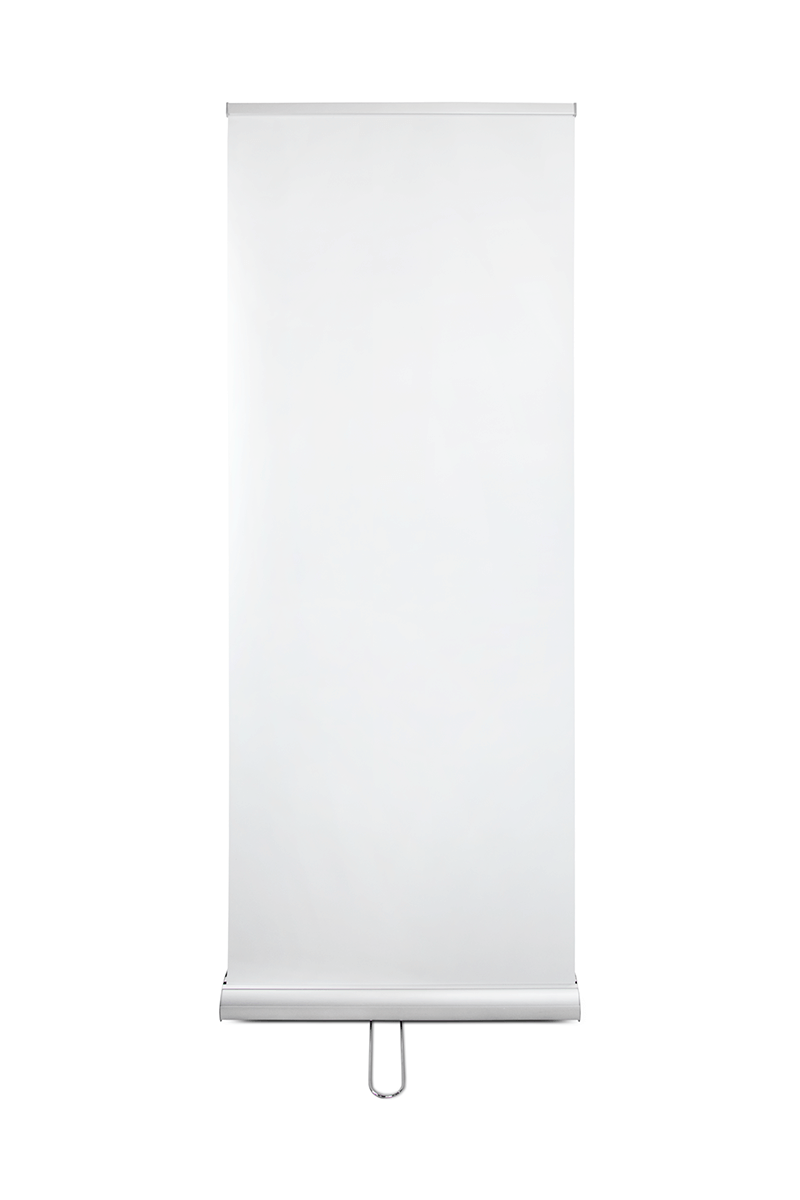
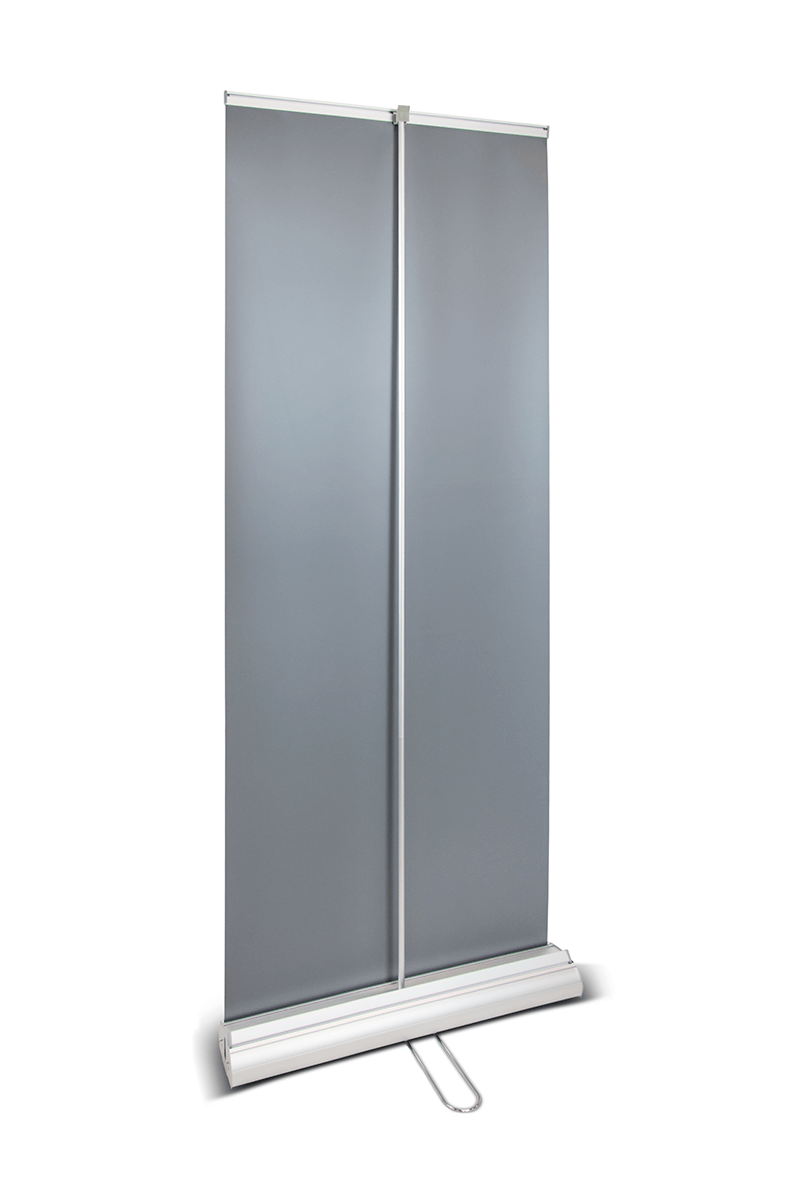
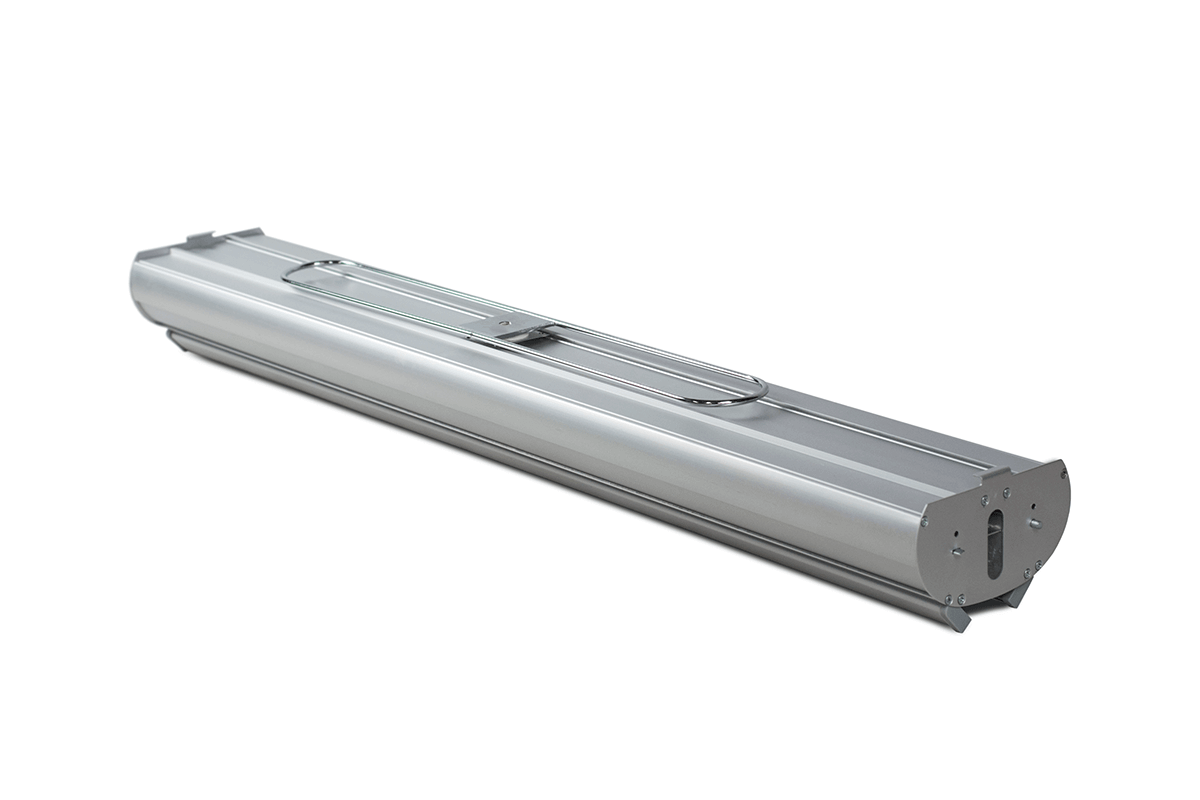
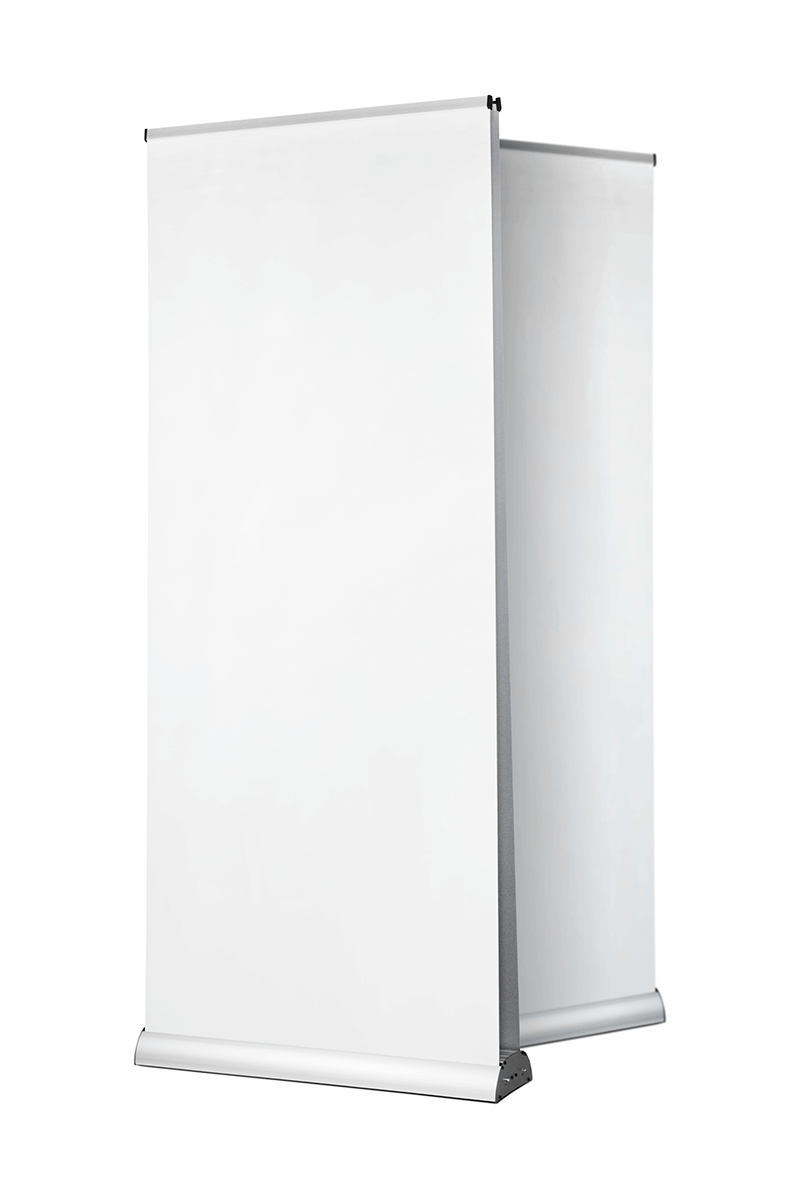

A normal roll up has a back. Stand it in the middle of a room and half the people walking past see a blank aluminium cassette and the reverse of a print. A double-sided stand carries a graphic on both faces, which is the difference between a display that works from one direction and one that works from all of them.
Island and corridor positions — anywhere people approach from two directions: a corridor, an aisle between exhibition stands, the middle of a foyer.
Queues — people standing in a line look at whatever is beside them, from both sides of the rope.
Two messages, one footprint — offer on one face, brand on the other. In a small shop this is the difference between one stand and two.
And when it does not: against a wall. If the stand’s back is 20 cm from a wall, the second print is money spent on something nobody will ever see. That sounds obvious and it is the most common way this product is bought wrongly.
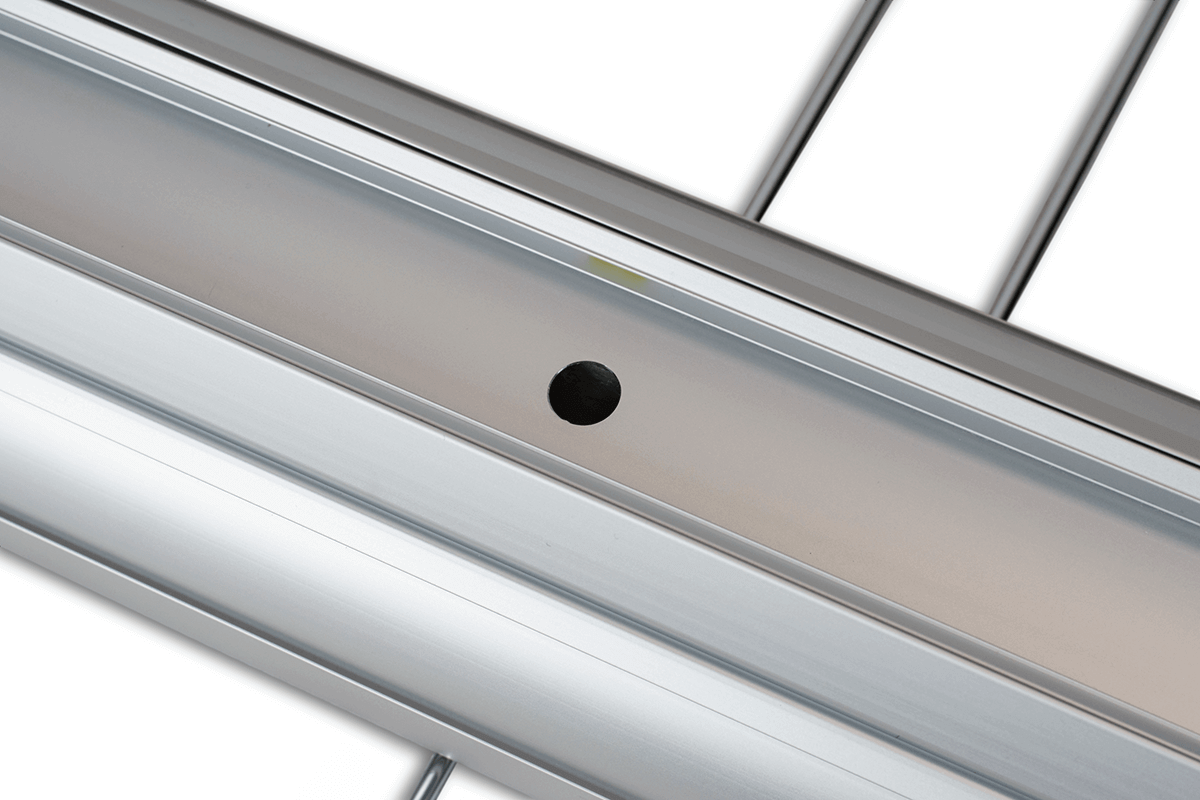
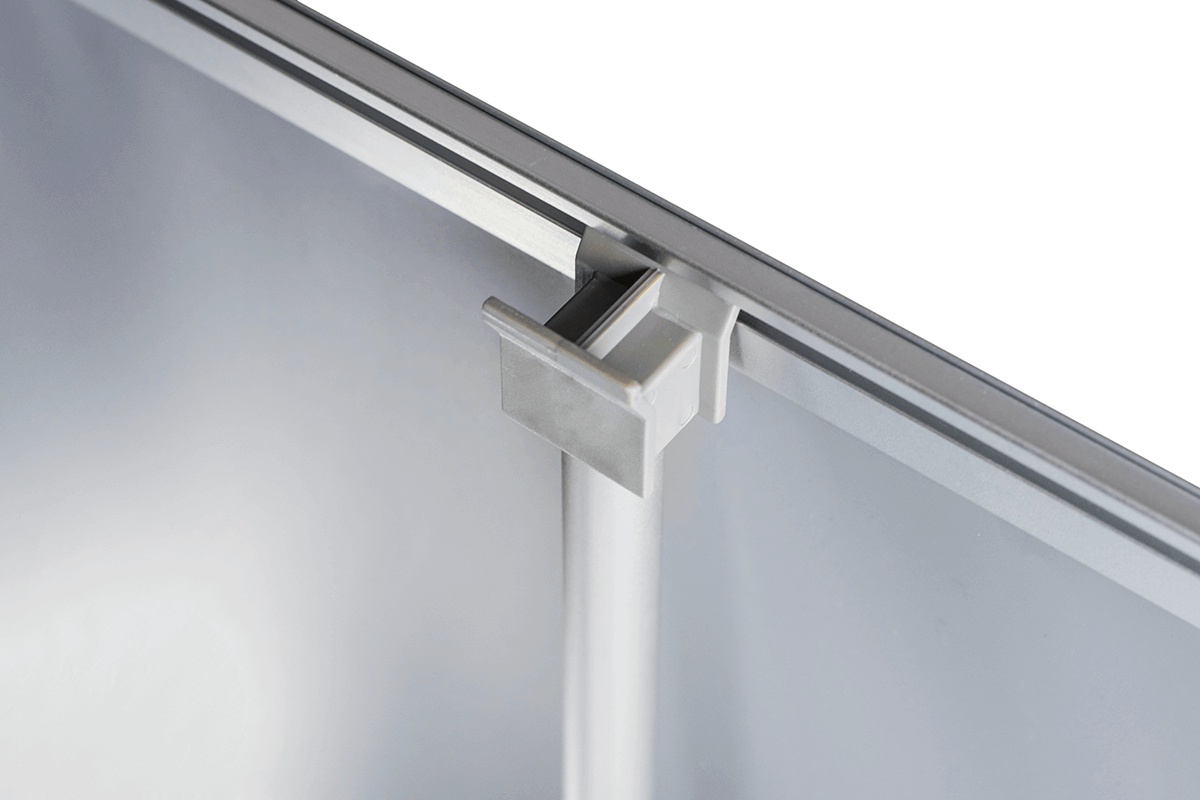
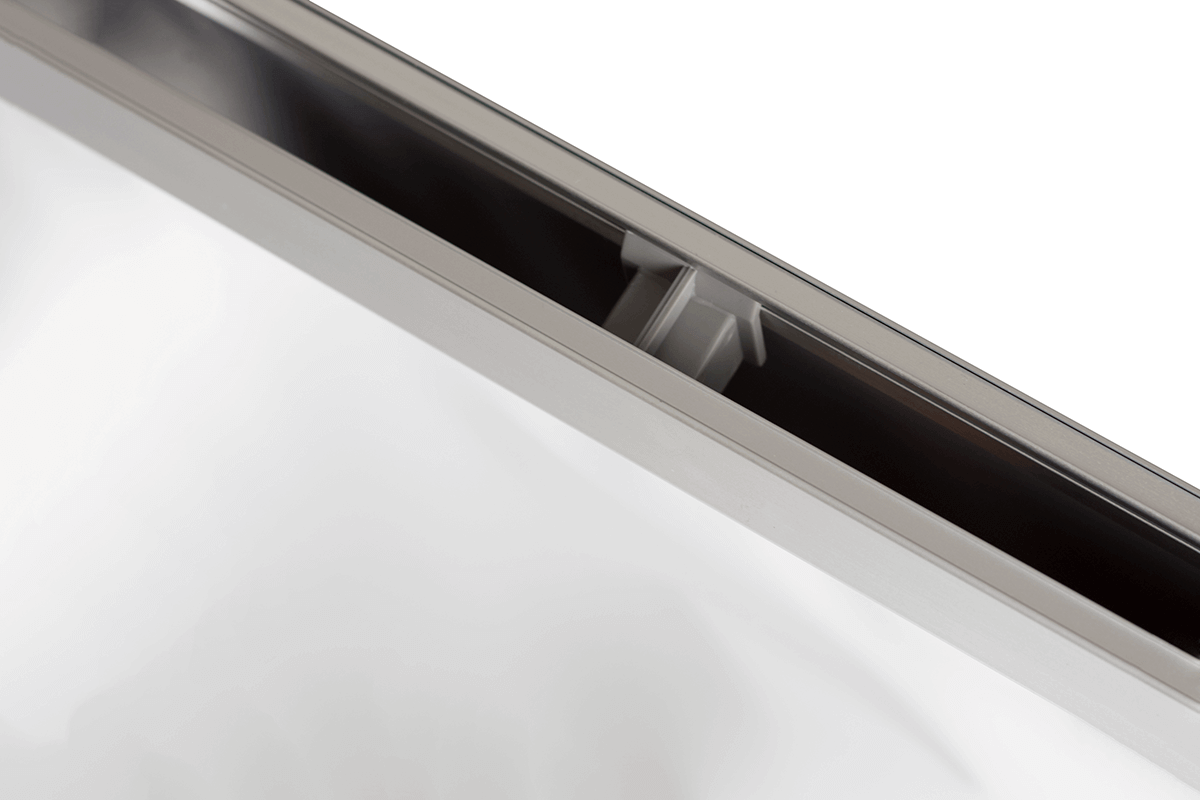
Double — 85 to 120 cm. Two independent cassettes back to back in one housing, so each graphic can be replaced on its own.
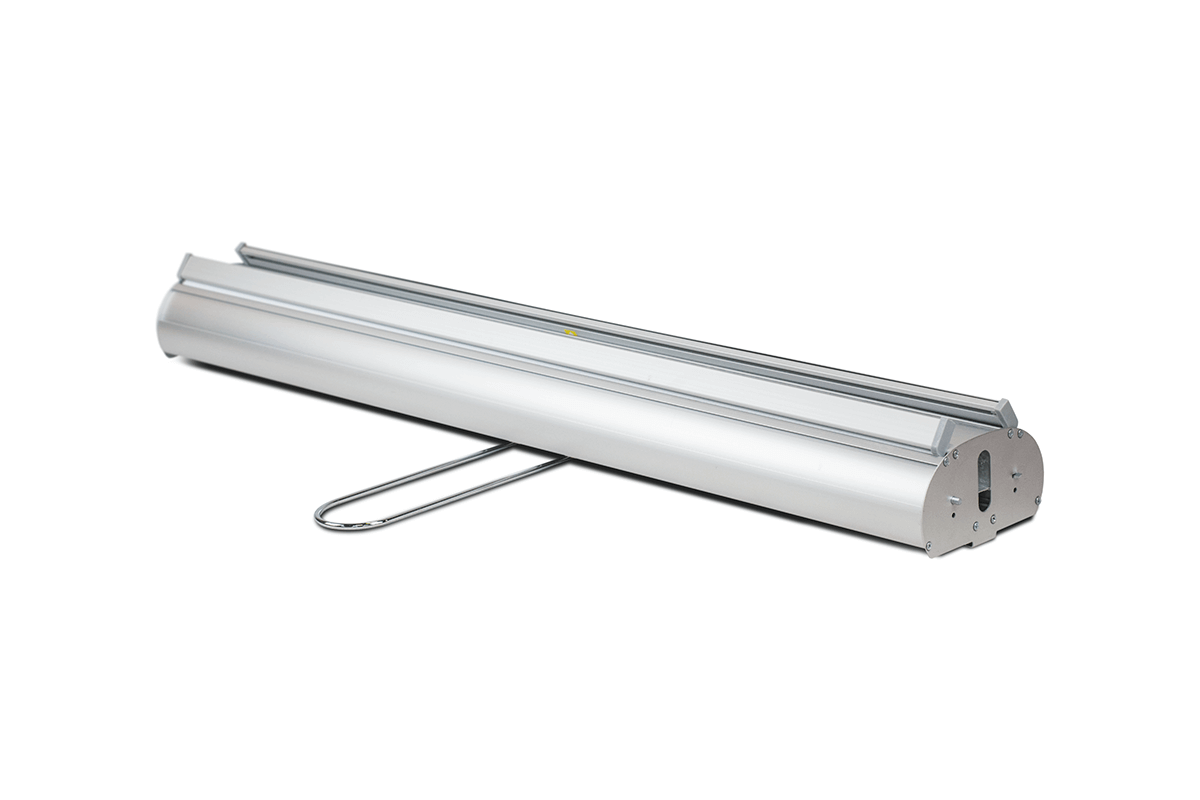
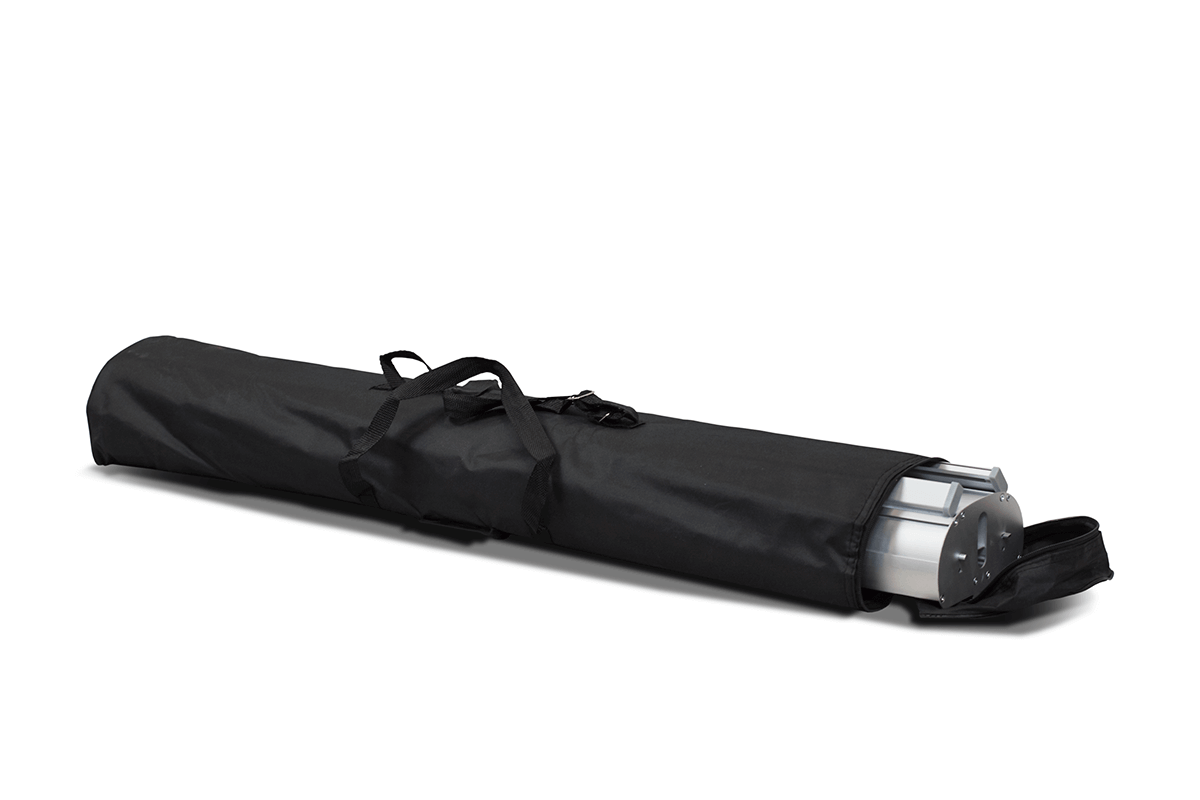
Dual — 85 to 120 cm. Slimmer housing, lighter, easier to carry; the choice when the stand travels between events rather than staying put.
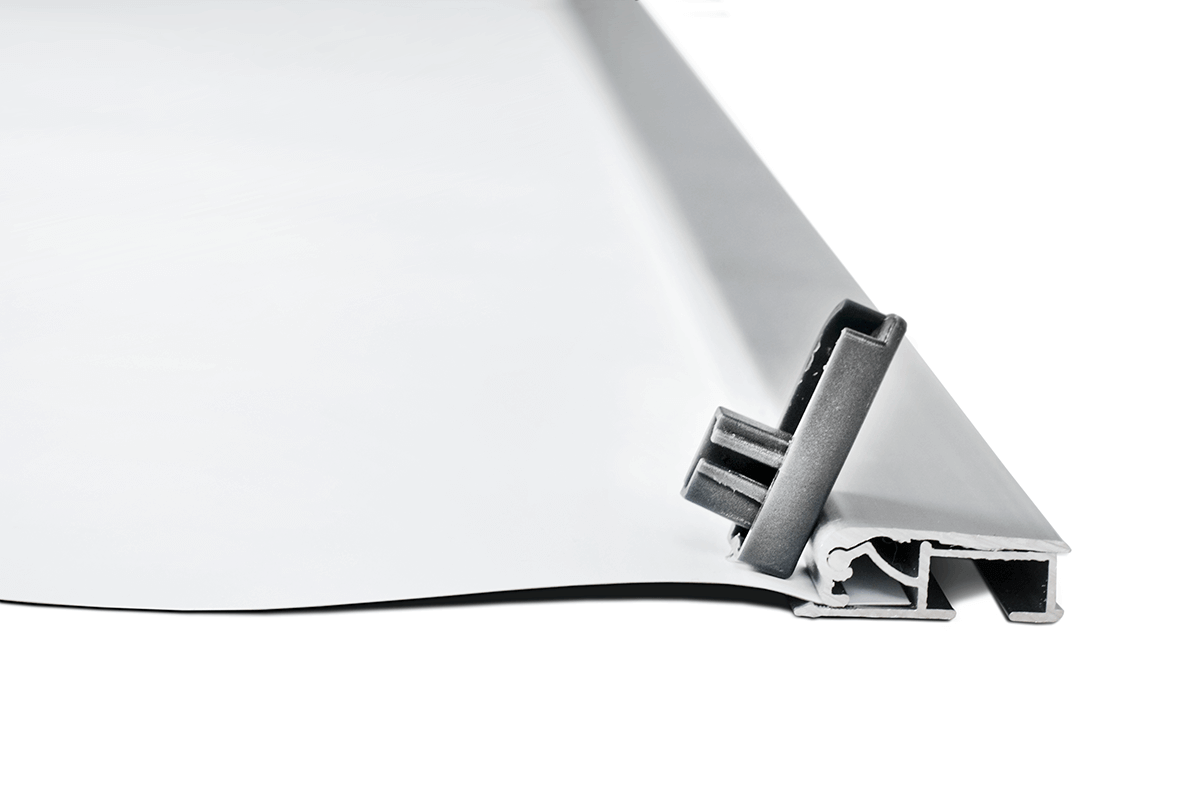
Both graphics must be printed on blockout media — film with an opaque layer in the middle. Without it, light passing through the stand makes the graphic on the far side visible as a ghost through the near one, reversed. Every double-sided stand we quote assumes blockout; if a cheaper quote elsewhere does not, that is where the difference is.
Weight: two graphics and two mechanisms make these noticeably heavier than a single-sided stand. Check who is carrying it.
Alignment: design both sides to the same visual baseline. Two graphics at different heights in one housing looks like a mistake even when it is deliberate.
Artwork: supply two files, clearly named. The most common production delay on this product is one file for a two-sided stand.
Scale: 1:1, minimum 150 dpi.
Colours: CMYK. Send Pantone references separately if an exact brand colour matters.
Fonts: converted to curves.
Files: TIFF, JPG or PDF.
Bleed: leave 40–60 mm extra at the bottom — that part rolls into the cassette and is never seen.
Other products in Roll Ups: X-Banner Stands, L-Banner Stands, Budget Roll Up Banner Stands and Roll Up Banner Stands. More in this group: Roll Ups. Or the whole Banners range.
When people approach from two directions: a corridor, an aisle between stands, the middle of a foyer, or beside a queue where people stand on both sides of a rope. Against a wall it is money spent on something nobody will ever see.
Without an opaque layer in the middle of the film, light passing through the stand makes the far-side graphic visible as a reversed ghost through the near one. Every double-sided stand we quote assumes blockout. A cheaper quote elsewhere is usually a quote without it.
Double has two independent cassettes back to back, so each graphic is replaced on its own. Dual has a slimmer, lighter housing and is easier to carry between events. Same widths, different priorities.
Two, clearly named. The most common production delay on this product is a two-sided stand ordered with one artwork file.
| Model | Double, Dual |
|---|---|
| Width | 120cm, 100cm, 85cm |
| Resolution | min. 150 dpi |
| Colors | CMYK |
| Scale | 1:1 |
| Fonts | converted into curves |
| File formats | tiff, jpg, pdf |

Our EU-based production means we meet even the tightest event deadlines.

Each product is created specifically to meet your unique event needs and brand guidelines.

Recycled aluminium, FSC wood and reusable frames — sustainable options across the range.








Our projects