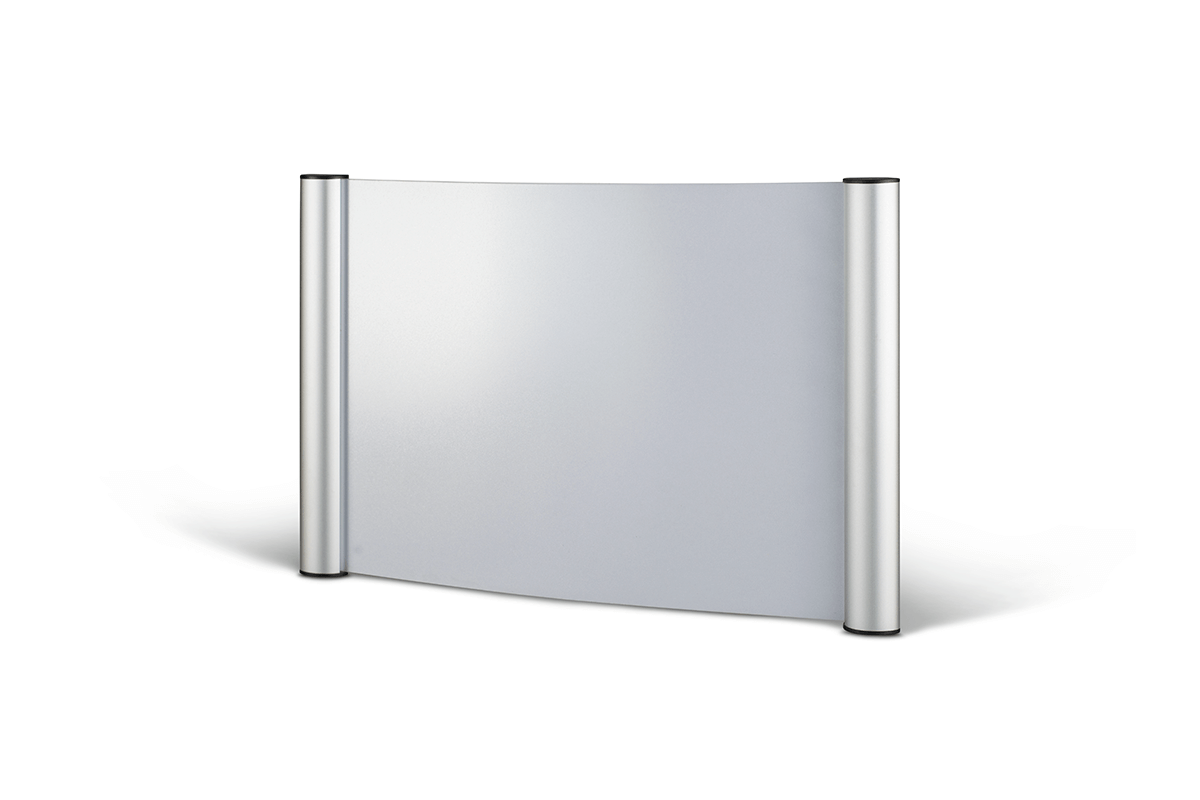
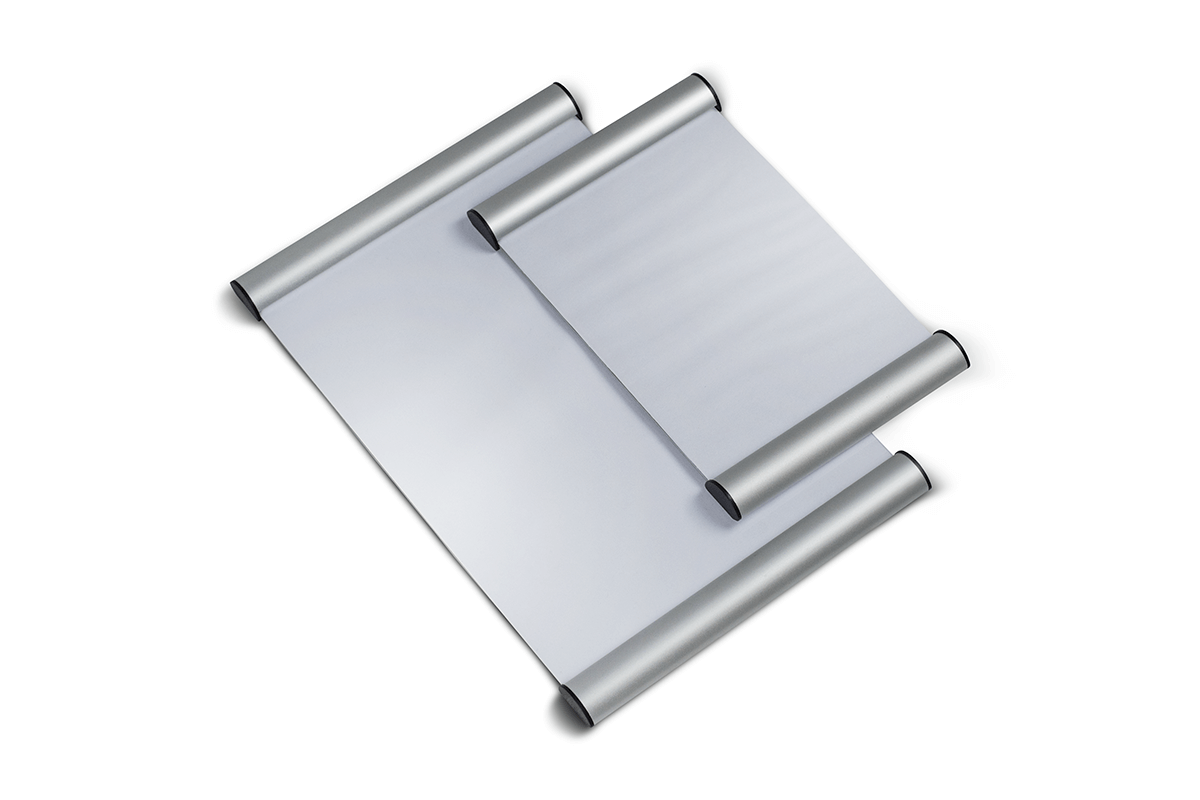
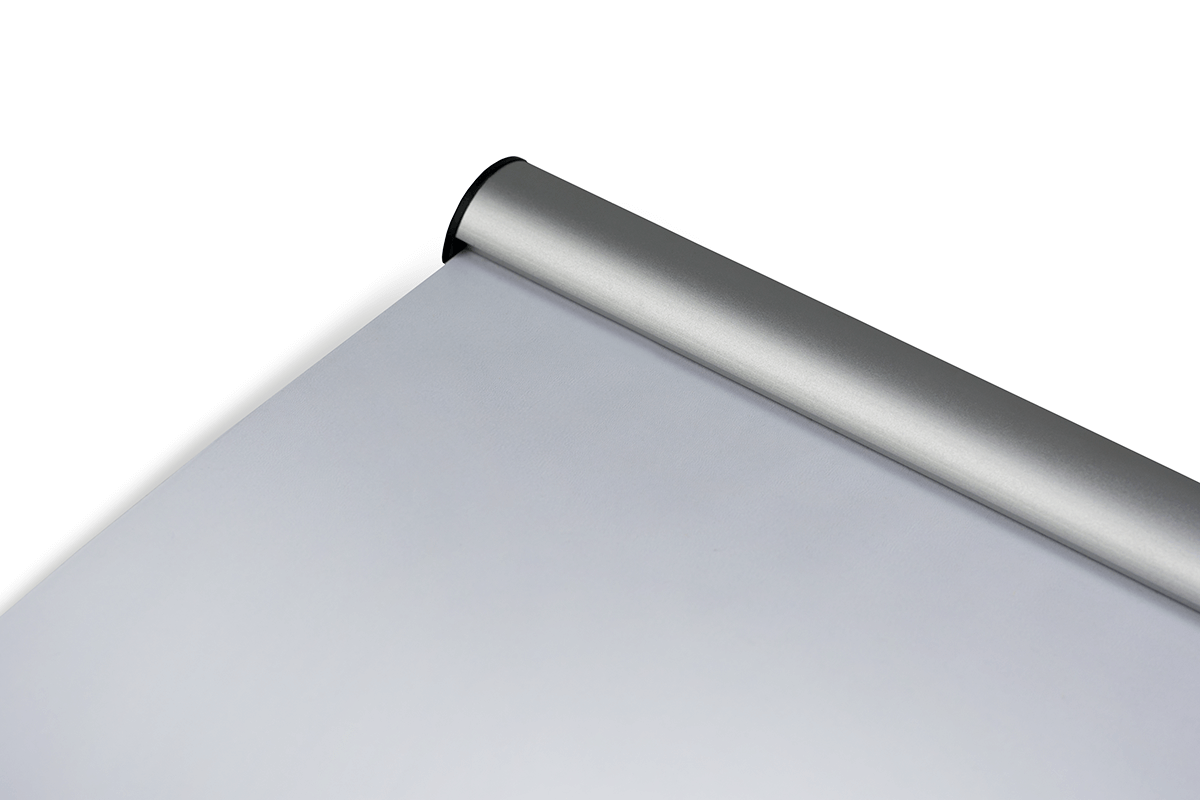
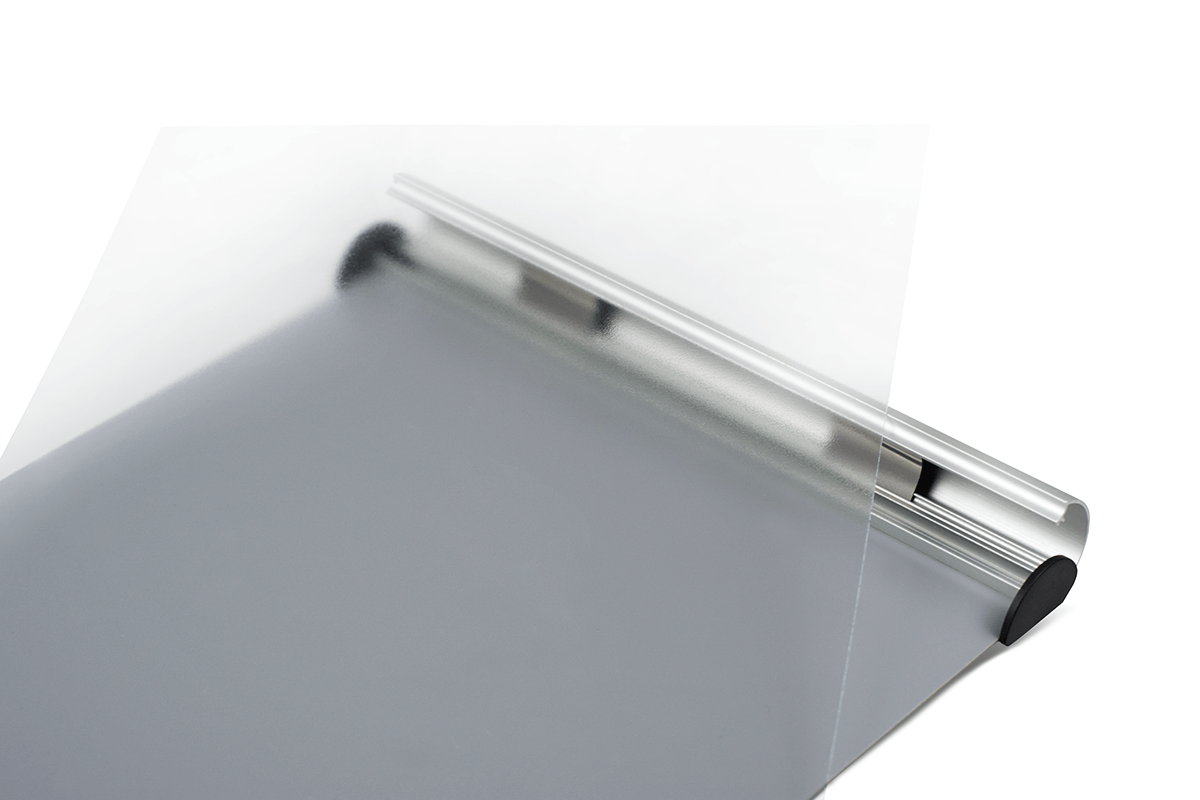
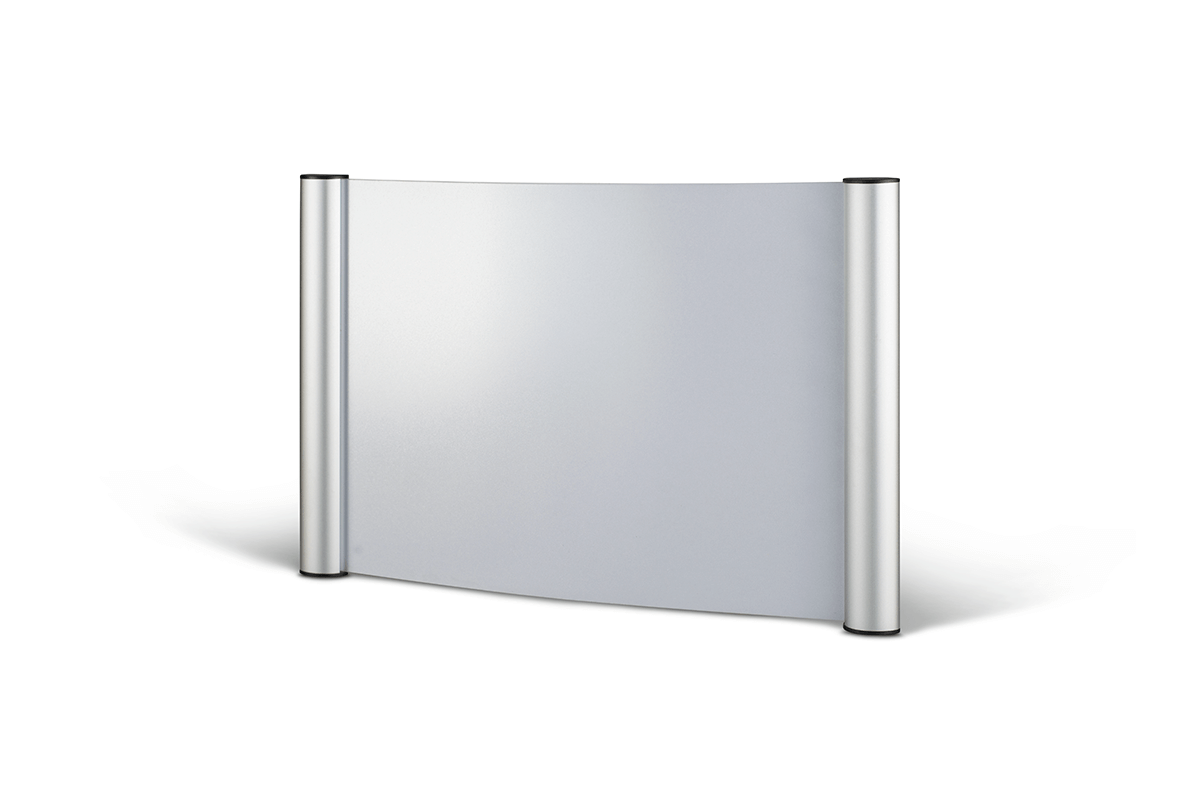
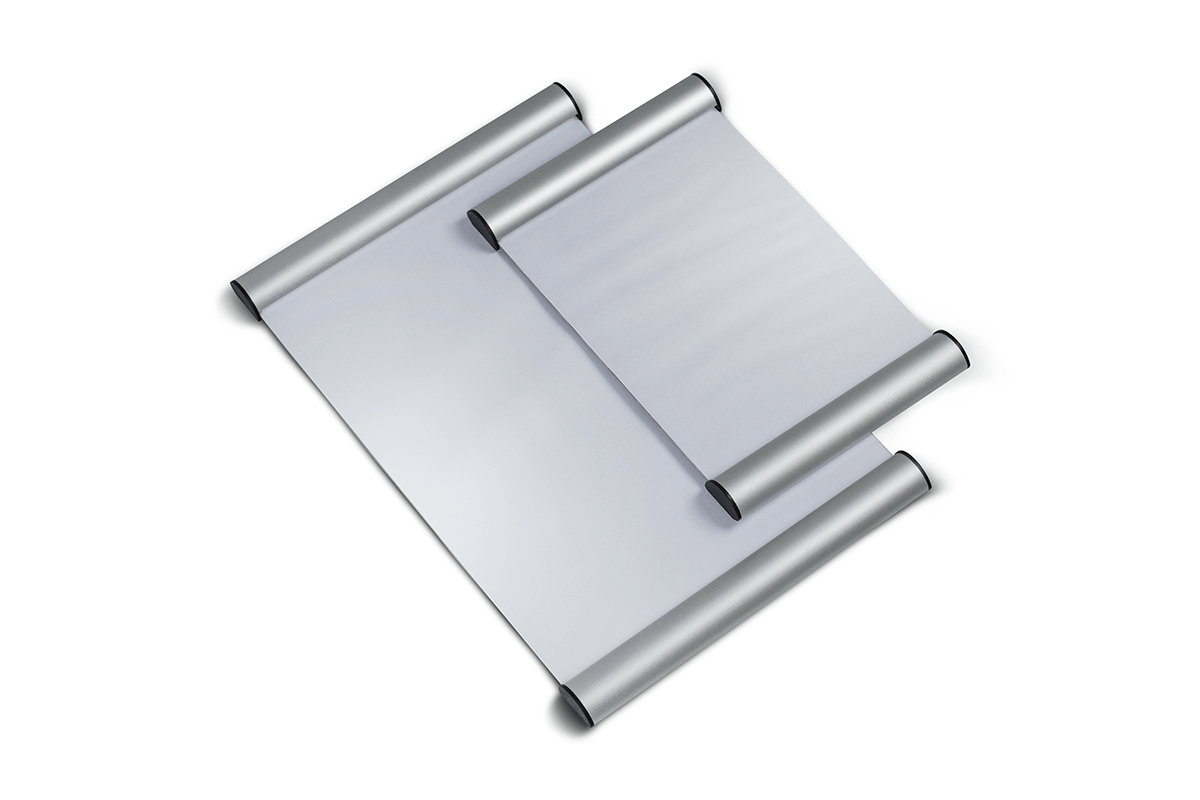
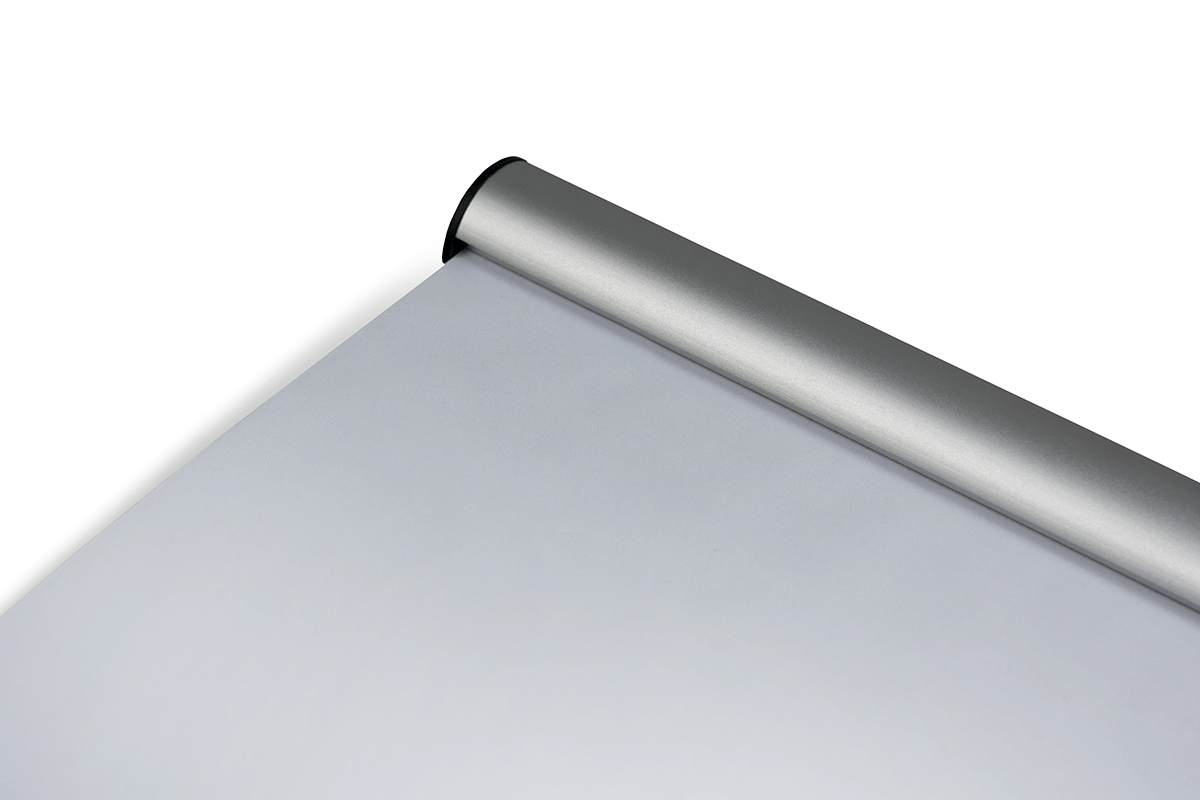
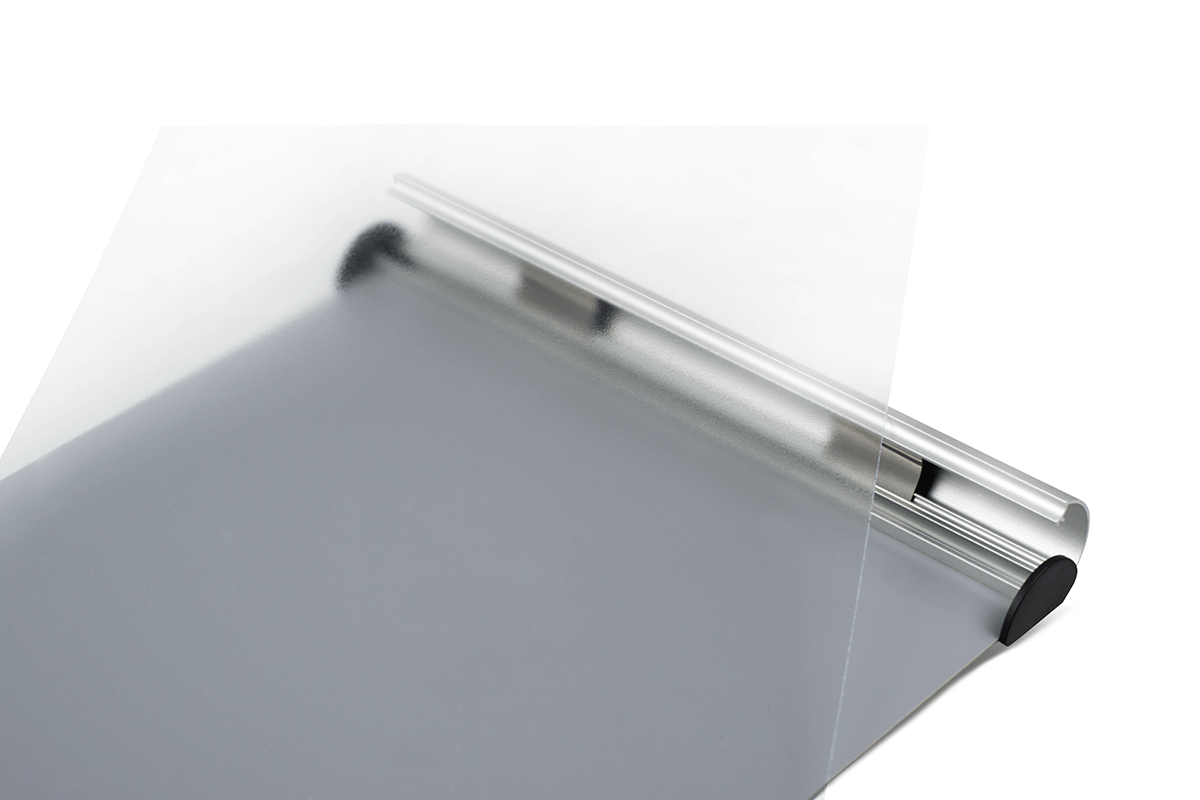
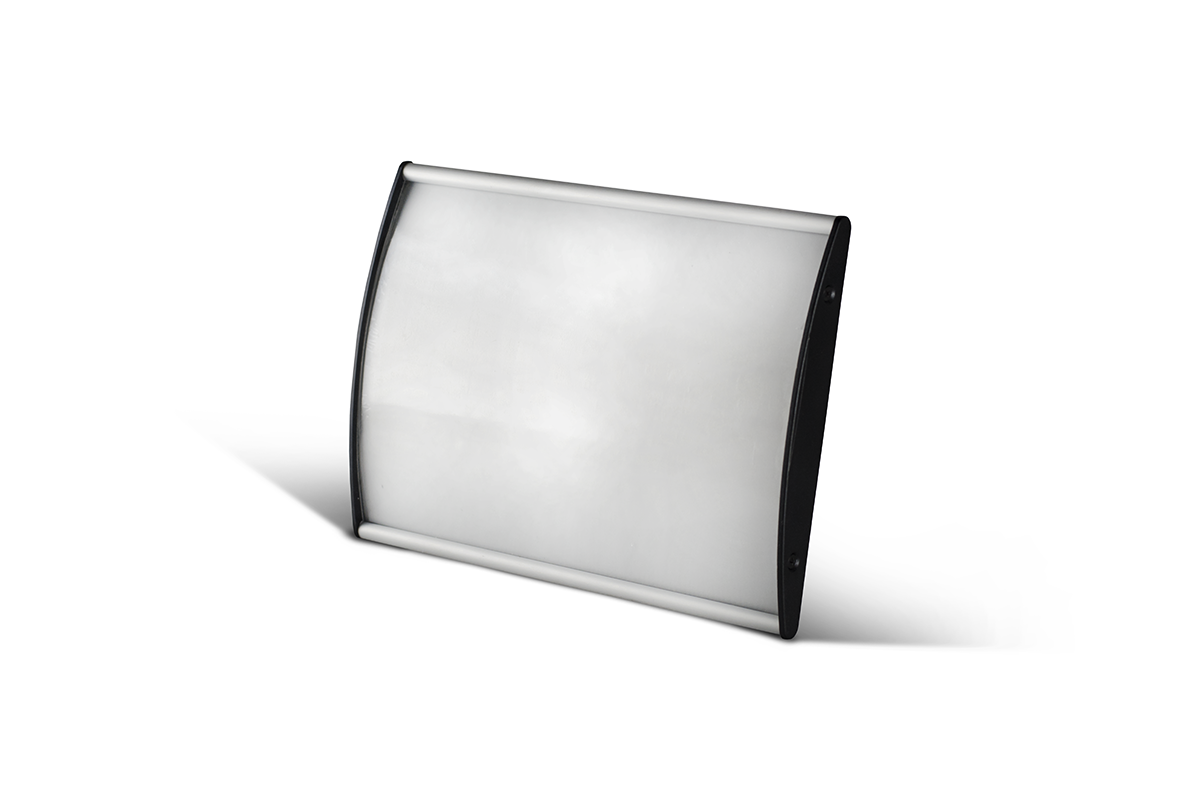
A door sign is read from about half a metre away and replaced whenever someone changes room. Those two facts decide the entire product: the plate is permanent, the insert is not. These are aluminium, made in three shapes and a range of sizes, and each one takes a printed or written insert that slides in from the side — so a name change costs a sheet of paper rather than a new sign.
Which model and size?
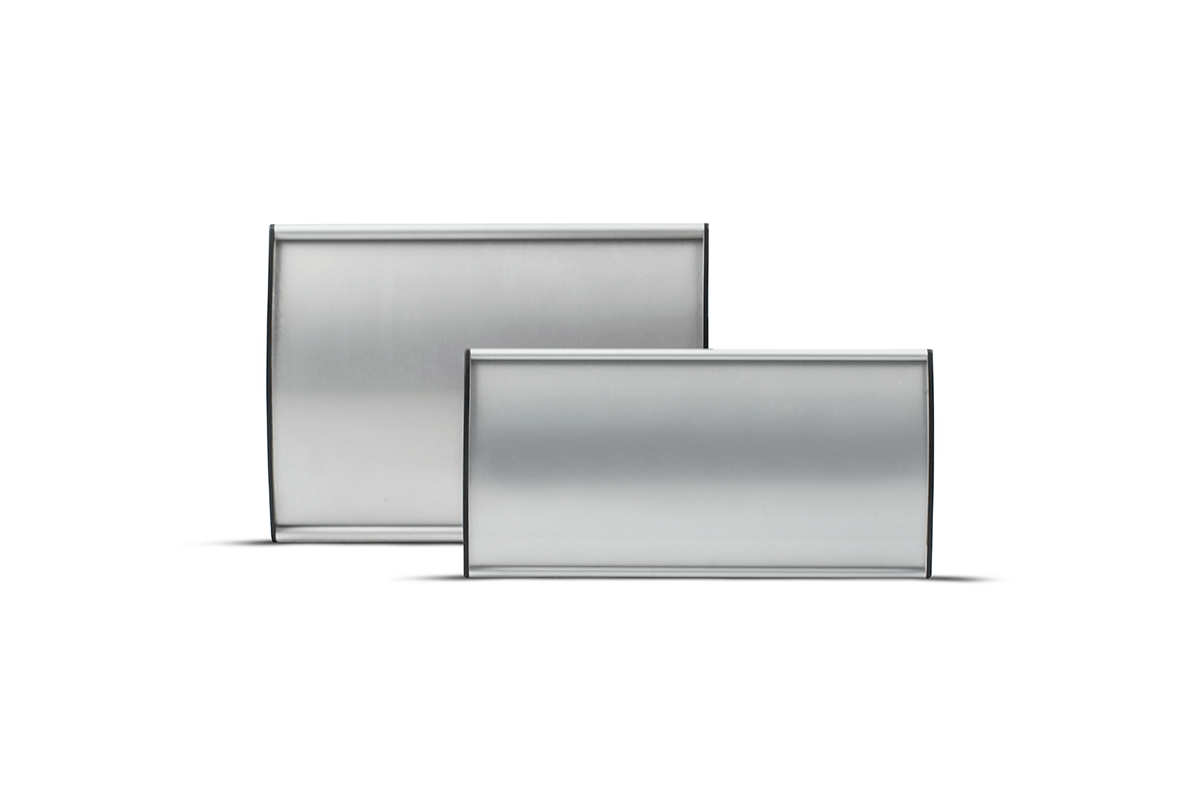
Beria is the largest family and suits a full name plus a job title, which is what most offices actually need. Casoni is narrower and vertical, for room numbers, short labels and anywhere the door frame leaves little width. Mulino sits in the middle with three sizes. Across the range the formats run from 50×180 mm and 70×180 mm for a number or a single word, through 90×210, 100×200 and 150×200 mm for a name, up to 148×210 and 210×297 mm — A5 and A4 — where the sign has to carry a department, a name, a title and perhaps opening hours. Choose by the longest line of text you will ever need, not by the shortest one you need today.
Adhesive or screws?
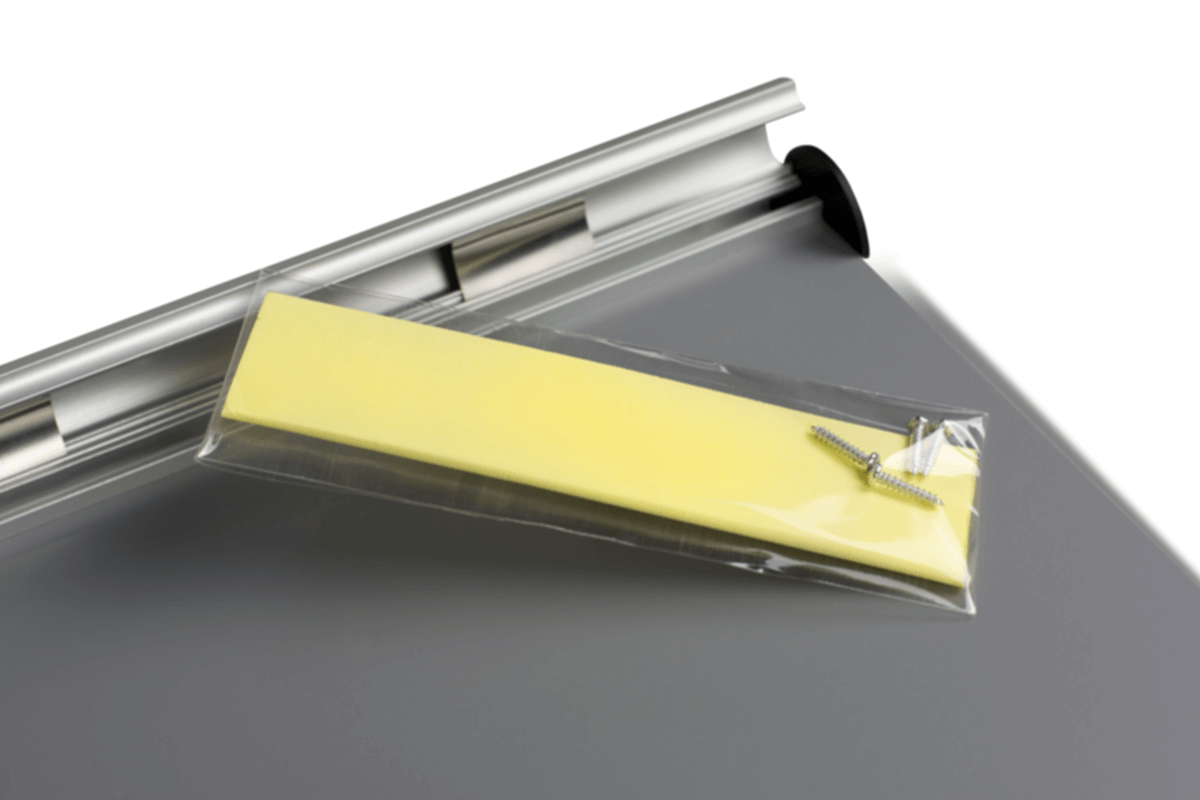
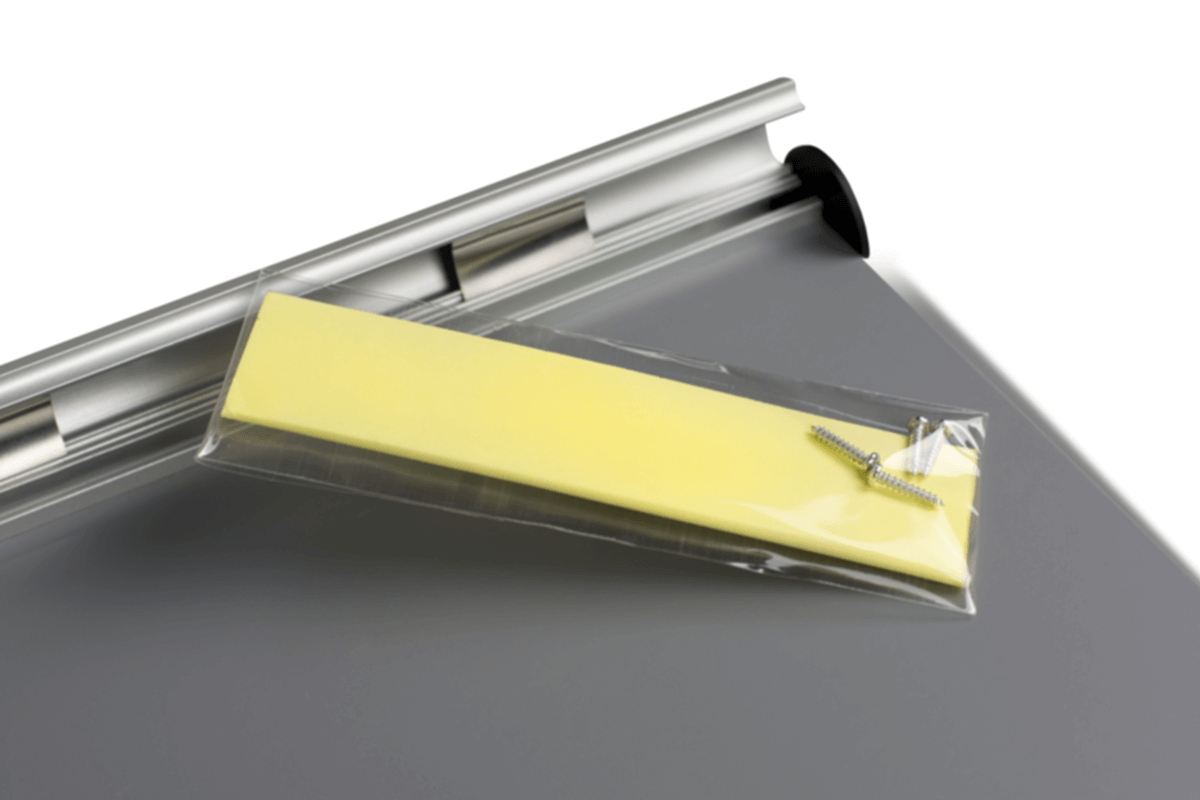
Both fixings are available on all of them. Adhesive is the right choice on painted plasterboard, glass and anything you are not permitted to drill, and it keeps the wall repairable when the tenancy ends. Screws are the answer on any door or frame that gets slammed, in schools, workshops and public buildings, and anywhere the sign has to survive being leaned on. If in doubt in a high-traffic corridor, screw it.
Plan the inserts before the plates
Order one plate per door and set up the insert as a single template you can reprint on demand. Fix the typeface, the size and the alignment once, and every subsequent change is a print and a slide. Mixed layouts across a floor are the thing that makes an otherwise tidy office look improvised.
Related products
Other products in Door Hangers and Door Signs: Wooden Chalkboards, Wall Mounted, GIOVI LED Menu Board A2, Lockable Poster Cases and Lockable Notice Boards. See all: Door Hangers and Door Signs. Or the whole Boards and Presentation range. See also Adhesive Sign Pockets.
Common questions
Why is the insert separate from the plate?
Because rooms change hands and plates do not. The aluminium plate stays on the door and the printed insert slides out, so a name change costs a sheet of paper rather than a new sign.
Which size for a room name versus a door number?
70x180 and 50x180 mm are number and short-label sizes; 100x200 and 150x200 mm take a name and a role; 148x210 and 210x297 mm are A5 and A4 for notices and directories.
What separates Beria, Casoni and Mulino?
The three models differ in the profile and how the insert is retained — the choice is aesthetic rather than functional. Pick one and use it across the whole building; mixed profiles on a corridor read as an accident.