
Gazebo Weights and Ballast

  • Purpose: hold a gazebo down so wind cannot lift or tip it
  • Usage: markets, car parks, seafronts and any open outdoor pitch
  • Setup: sand bags and water tanks fill on site, solid weights are ready
  • Portability: bags and tanks travel empty, cast weights travel full
  • Best for: every gazebo leg, one weight each, scaled to the exposure
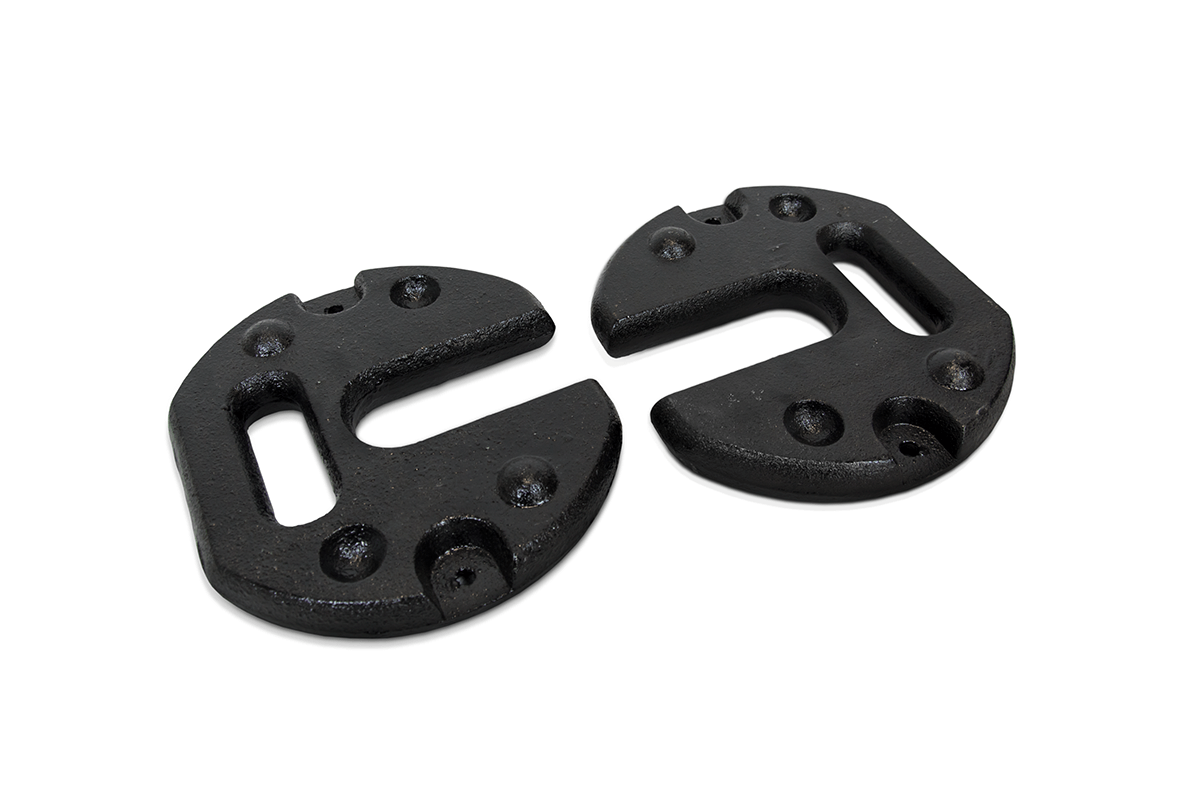
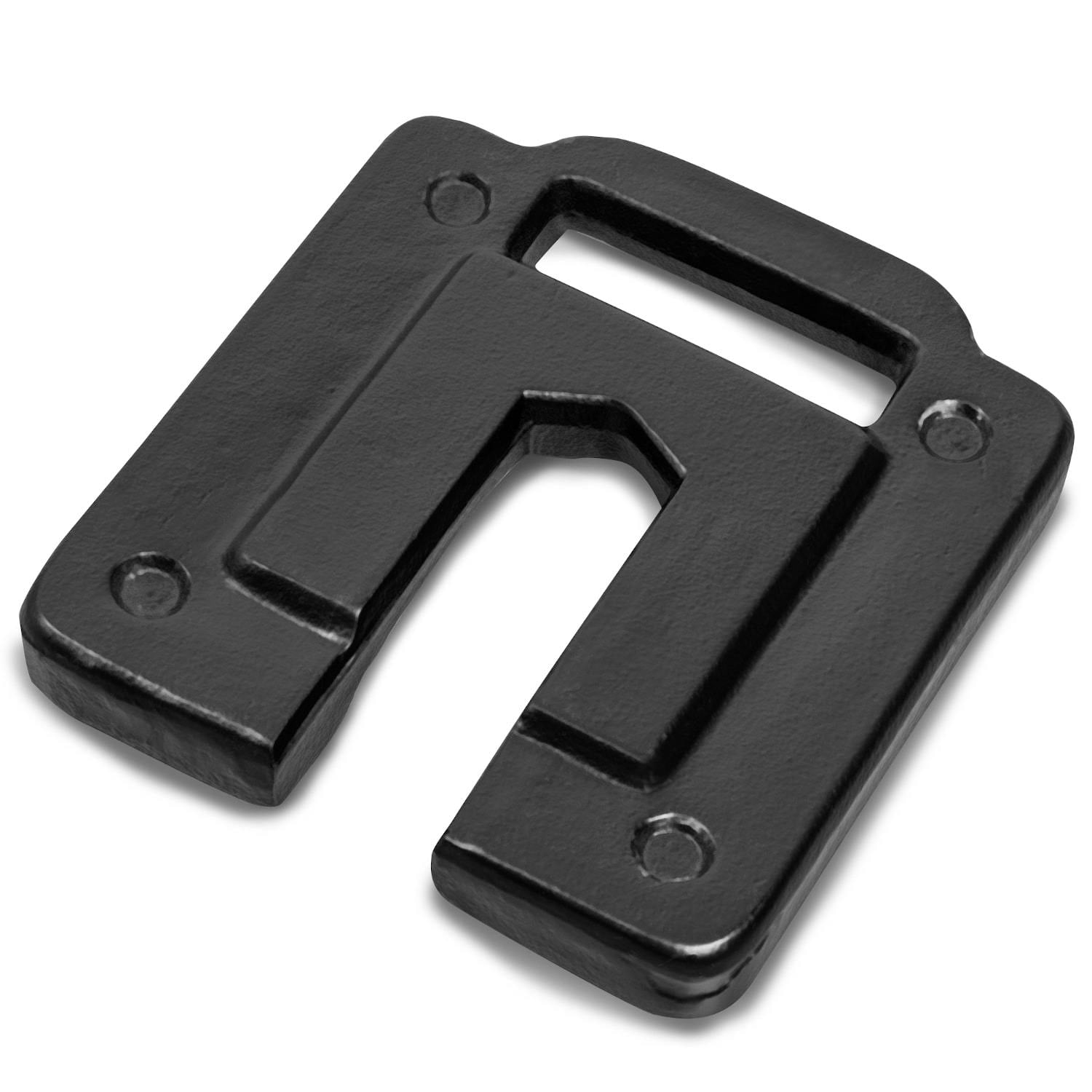
  • Weights: 5 kg horseshoe, 8 kg concrete, 10 kg cast iron, 15 and 35 kg bags
TypeCast iron weight 10 kgConcrete weight 8 kgSand bag 35 kgSand bag 15 kghorseshoe - 5 kgSandbag singleSandbag doublewater tank for tent legs
  • 8 options on this page
  • Prices exclude VAT and delivery

Need a size or a quantity that is not listed? Ask us

SKU N/A Category

Price range: 7,23 € through 30,79 €

Description

An unweighted gazebo is a sail with legs. Ballast is the least interesting item on the order and the one that decides whether the gazebo is still standing at the end of the day.

Which type

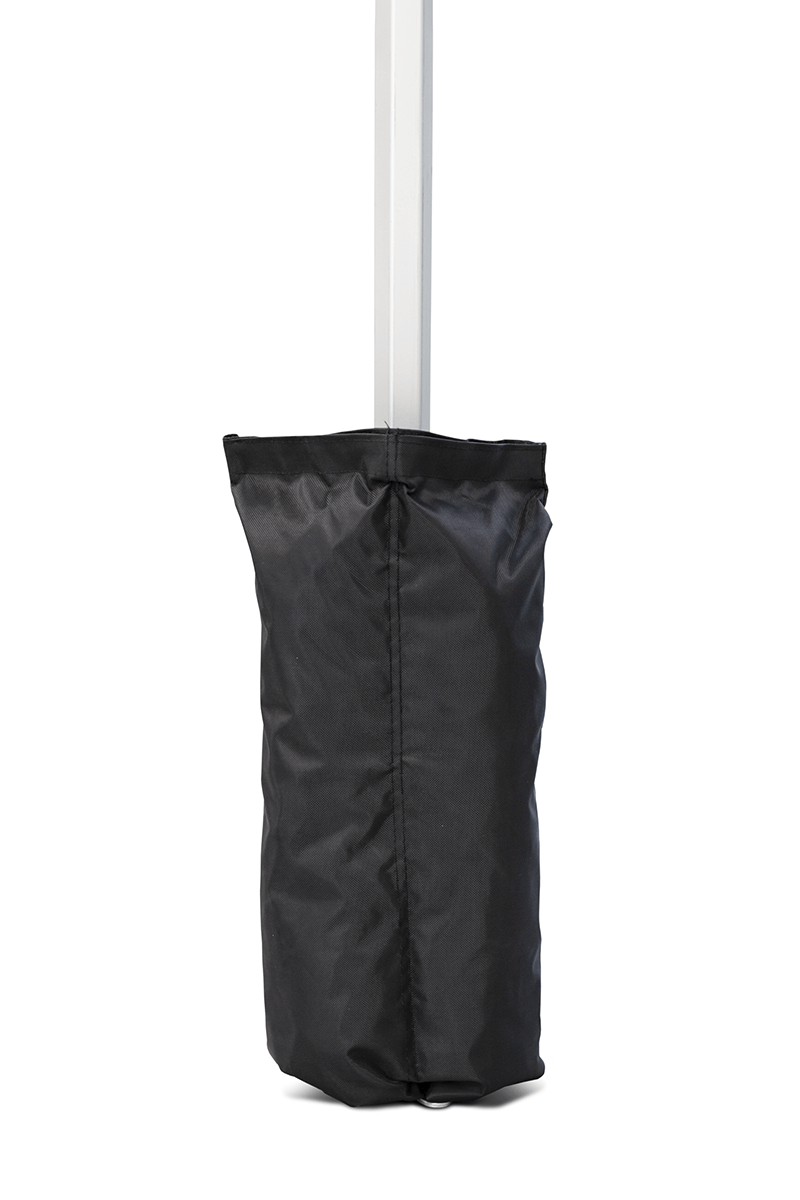
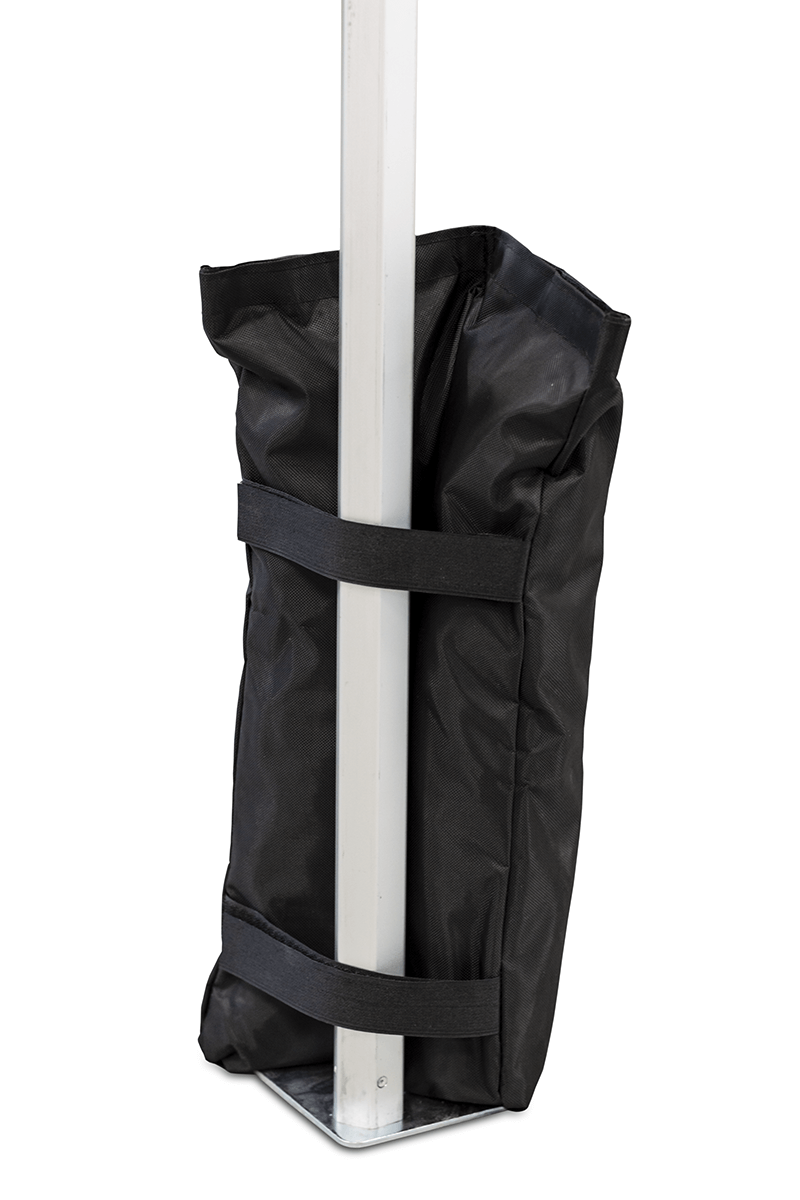
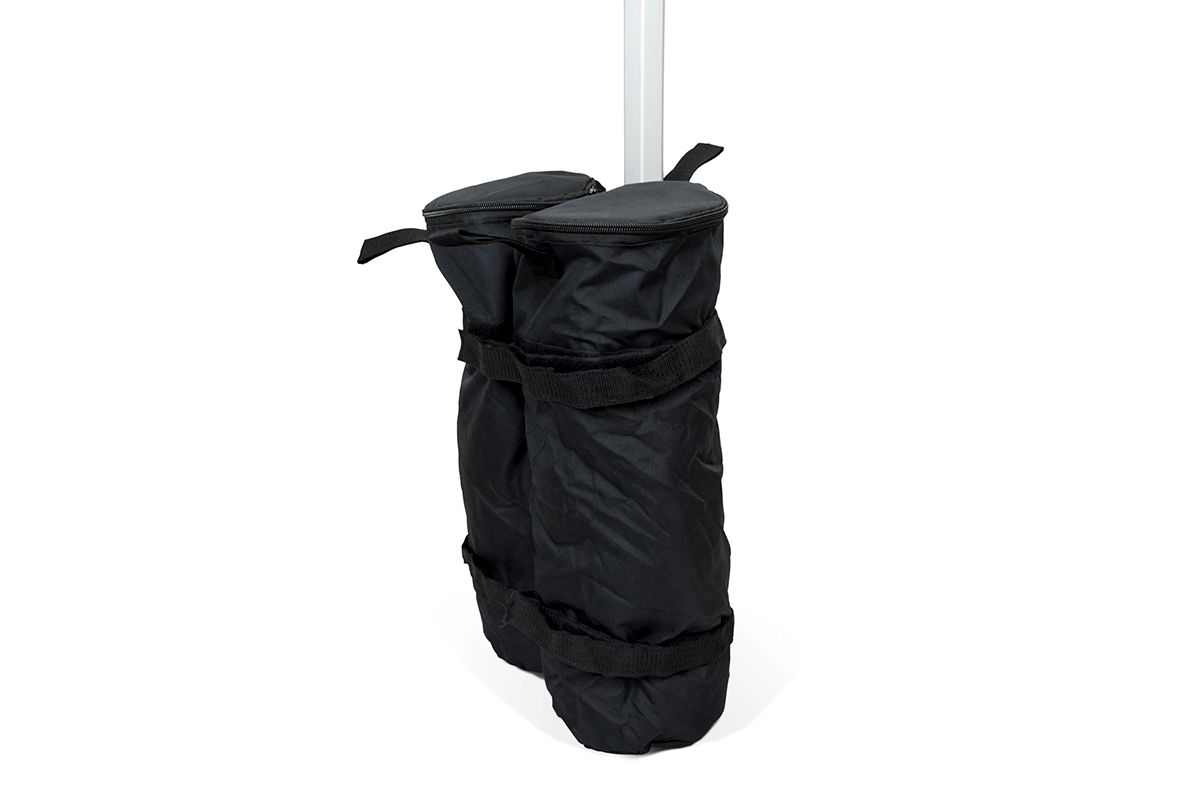
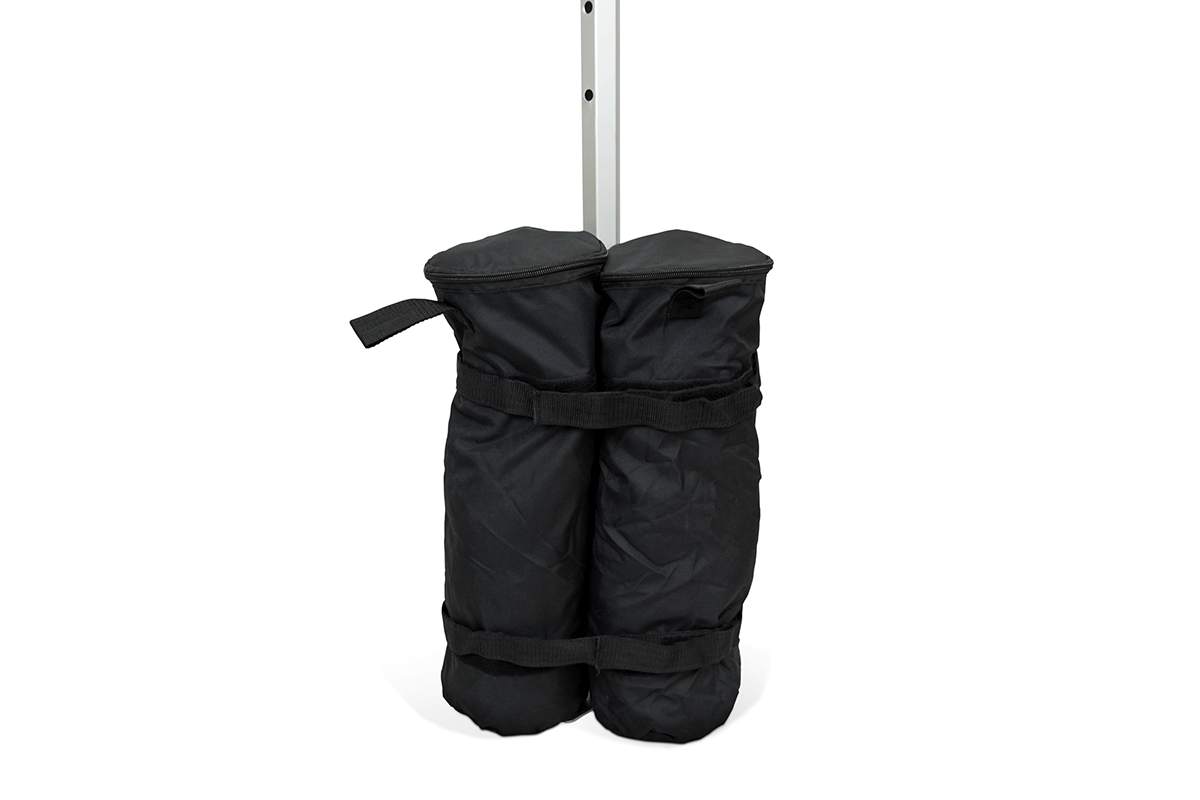
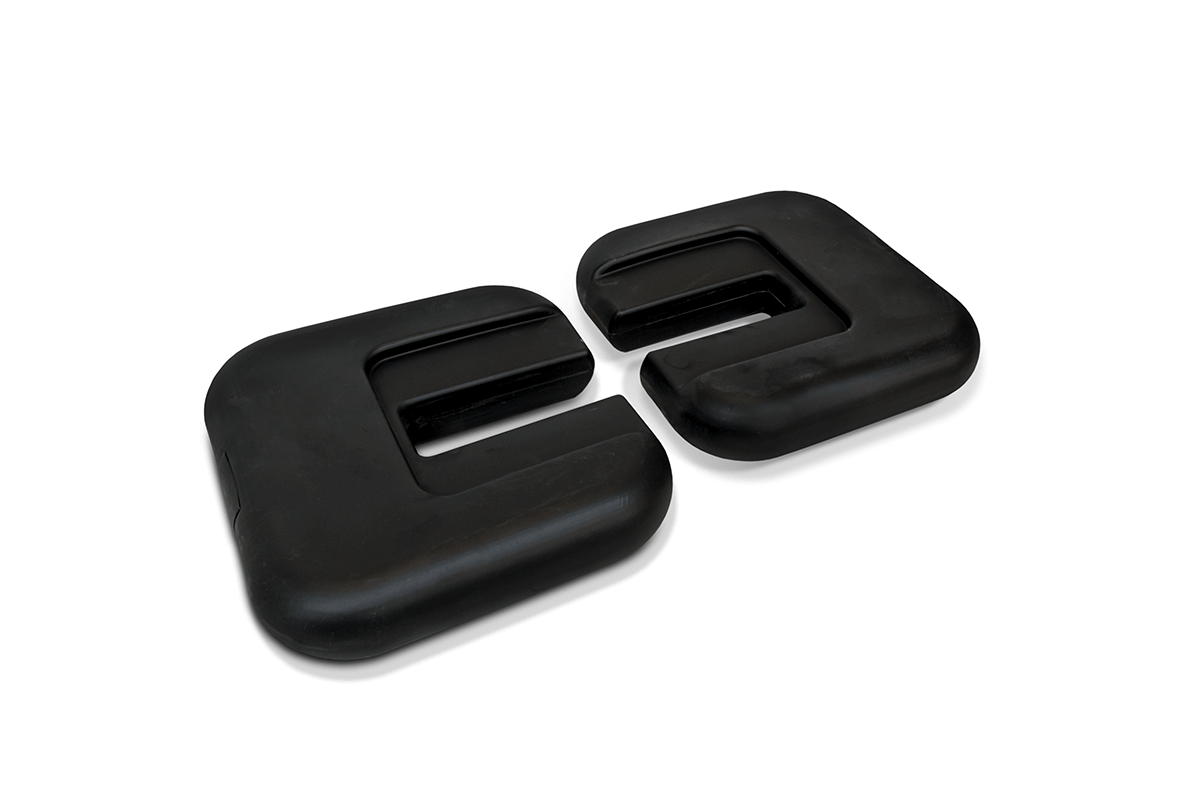
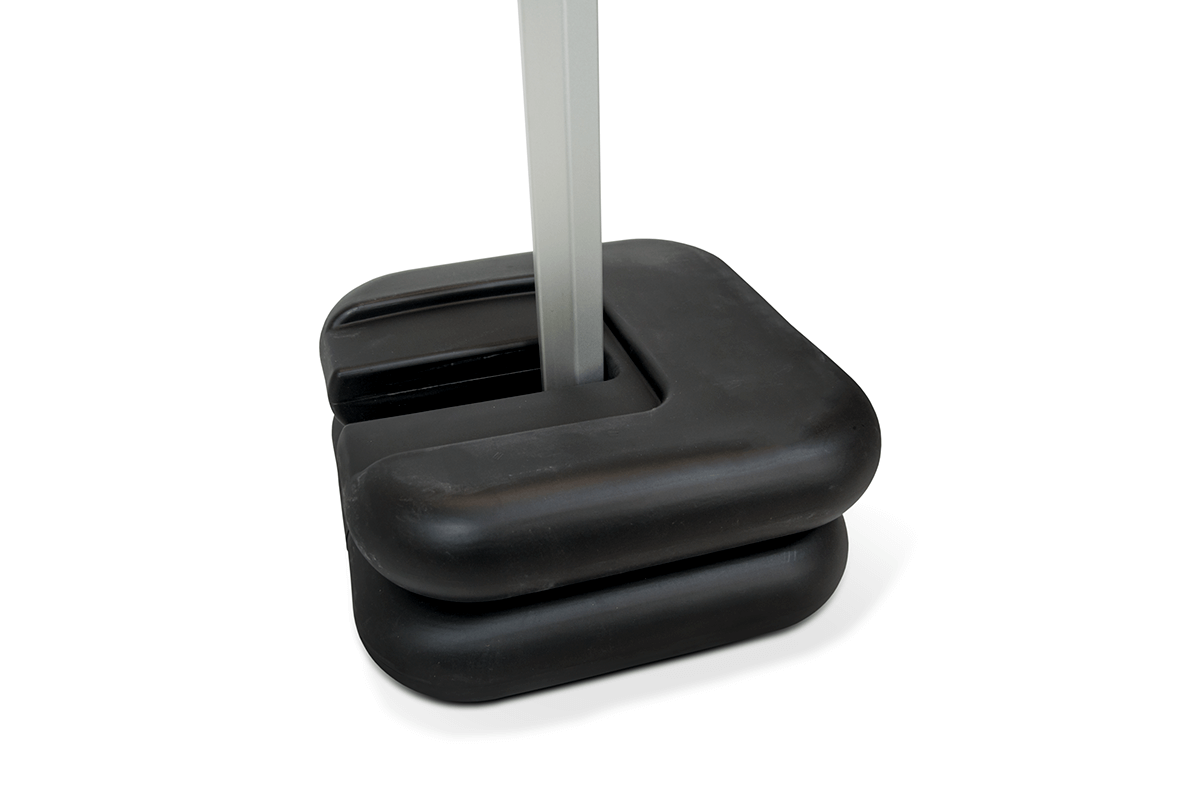
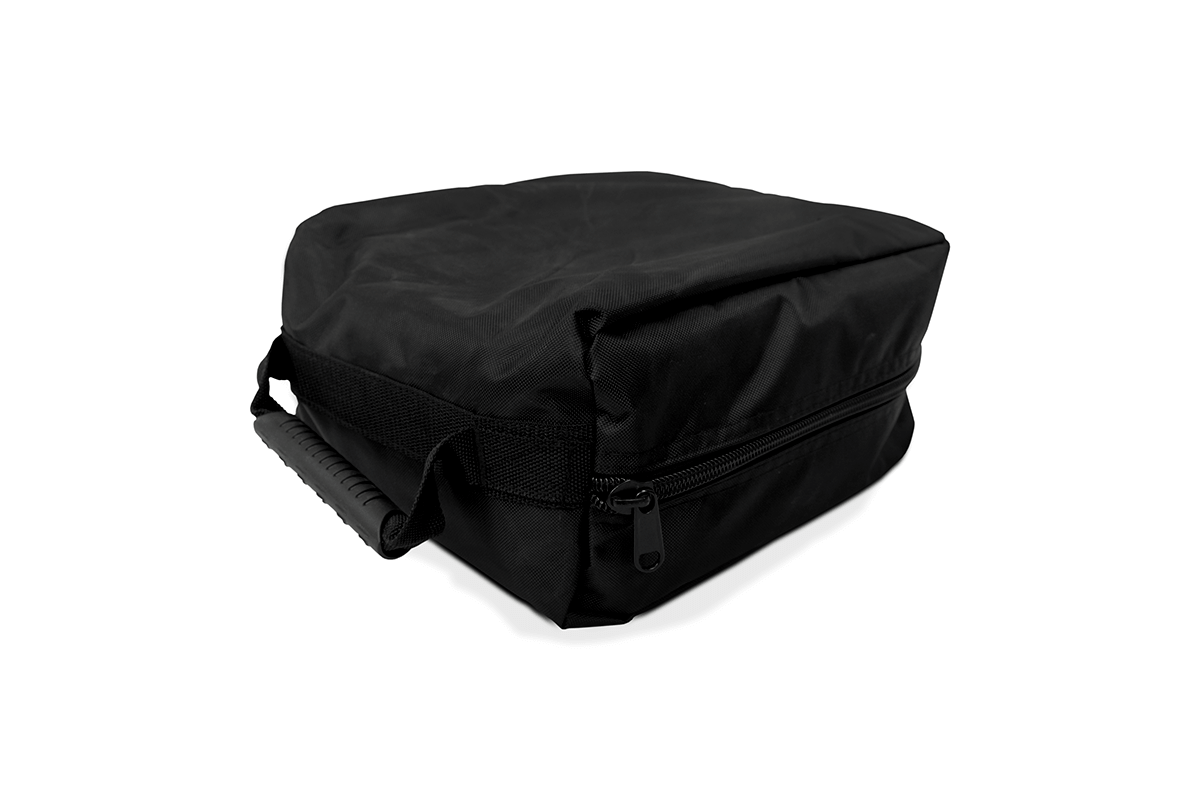
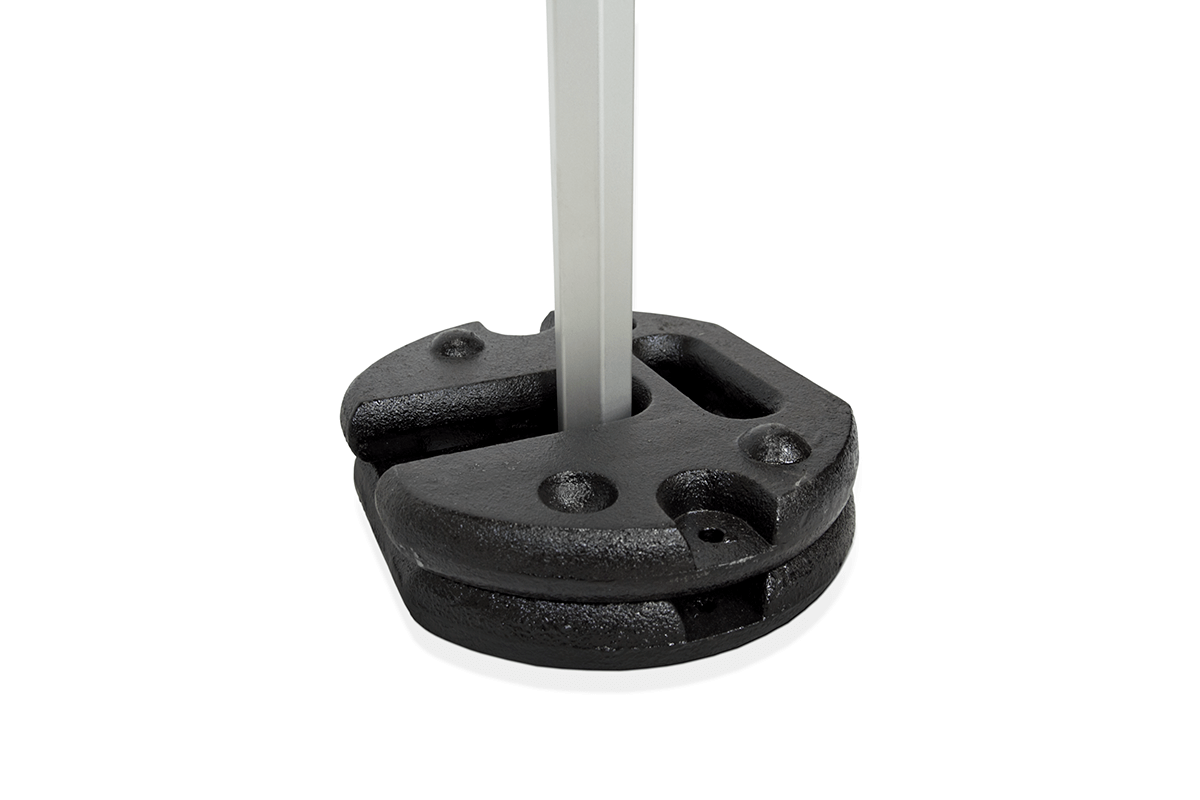
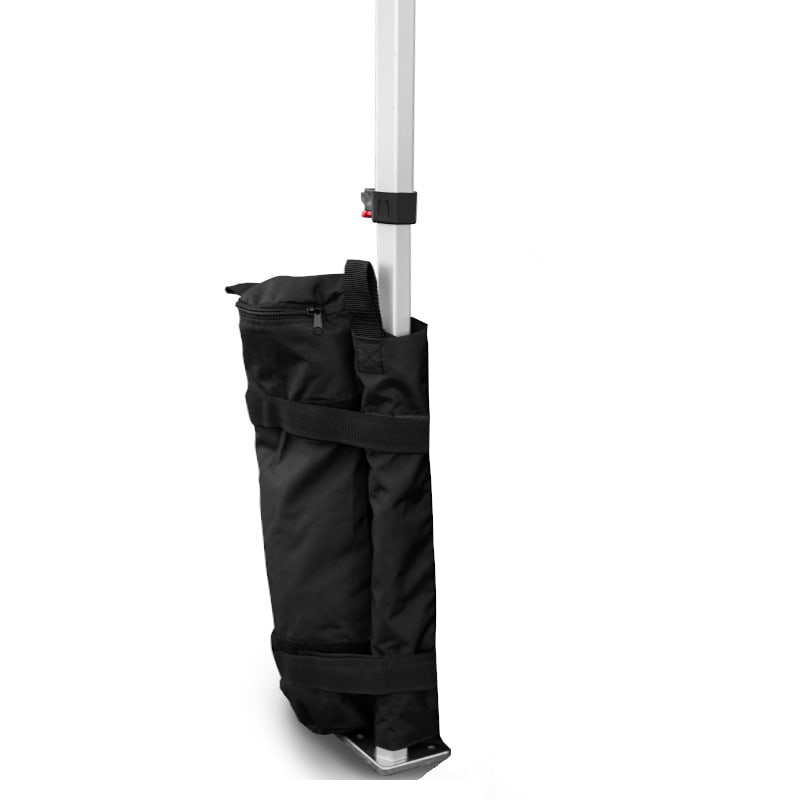
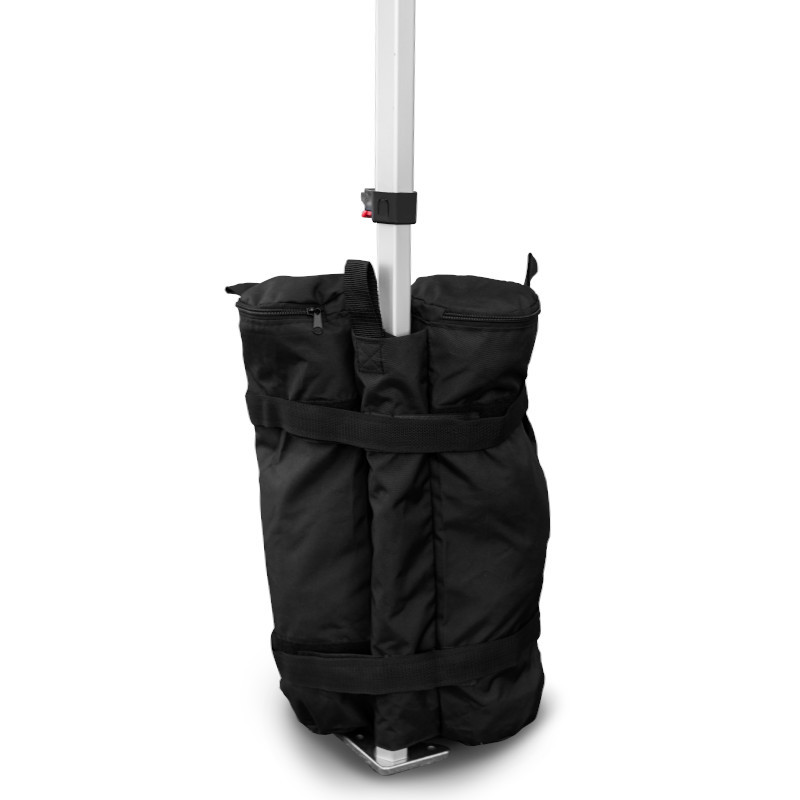
Sand bags wrap around the leg and come as single or double, in 15 kg and 35 kg. They travel empty and are filled on site, which makes them the lightest thing to transport and the slowest to deploy. Water tanks for tent legs work the same way with water instead of sand and empty out for the drive home — the right answer where sand is awkward but a tap is close. The cast iron weight at 10 kg, the concrete weight at 8 kg and the 5 kg horseshoe need no filling and are ready the moment they leave the van, but they are carried at full weight on every trip.

How much

One weight per leg is the minimum, on every leg, every time — three weighted legs and one bare one is the configuration that fails. Scale up with exposure rather than with the size of the event: a sheltered courtyard is forgiving, an open car park or a seafront is not. For a 3×6 m frame or any exposed site, take the heaviest option rather than the cheapest, and combine types when the total needs it. A horseshoe at the foot with a sand bag on the leg is a normal answer.

What goes wrong

Weights get left behind. They are the last thing packed, the heaviest thing to load and the thing nobody volunteers to carry, so they stay in the store while the gazebo goes out. Nothing fails on the frame. What fails is the morning somebody looked at a still car park and decided the wind was fine.

Related products

Other products in Tents and Pop-up Gazebos: Gazebo Frames and Plain Canopies and Aluminium Gazebo Tents. More in this group: Tents and Pop-up Gazebos. Or the whole Outdoor range.

Common questions

How much weight per leg?

One weight per leg is the minimum. On an open site, at the coast or above a light breeze, double it or go to the heaviest plates — the frame does not fail, the anchoring does.

Sand, water or plate?

Sand and water travel empty and fill on site, which is what you want if the gazebo moves. Plates need no filling but are carried at full weight.

Can I use my own weights?

Yes, if they attach to the leg rather than sitting beside it. A weight on the ground next to a leg does nothing.

Attributes

Type

Cast iron weight 10 kg, Concrete weight 8 kg, Sand bag 35 kg, Sand bag 15 kg, horseshoe – 5 kg, Sandbag single, Sandbag double, water tank for tent legs

Submit order request


    Upload logo (max. 20MB):