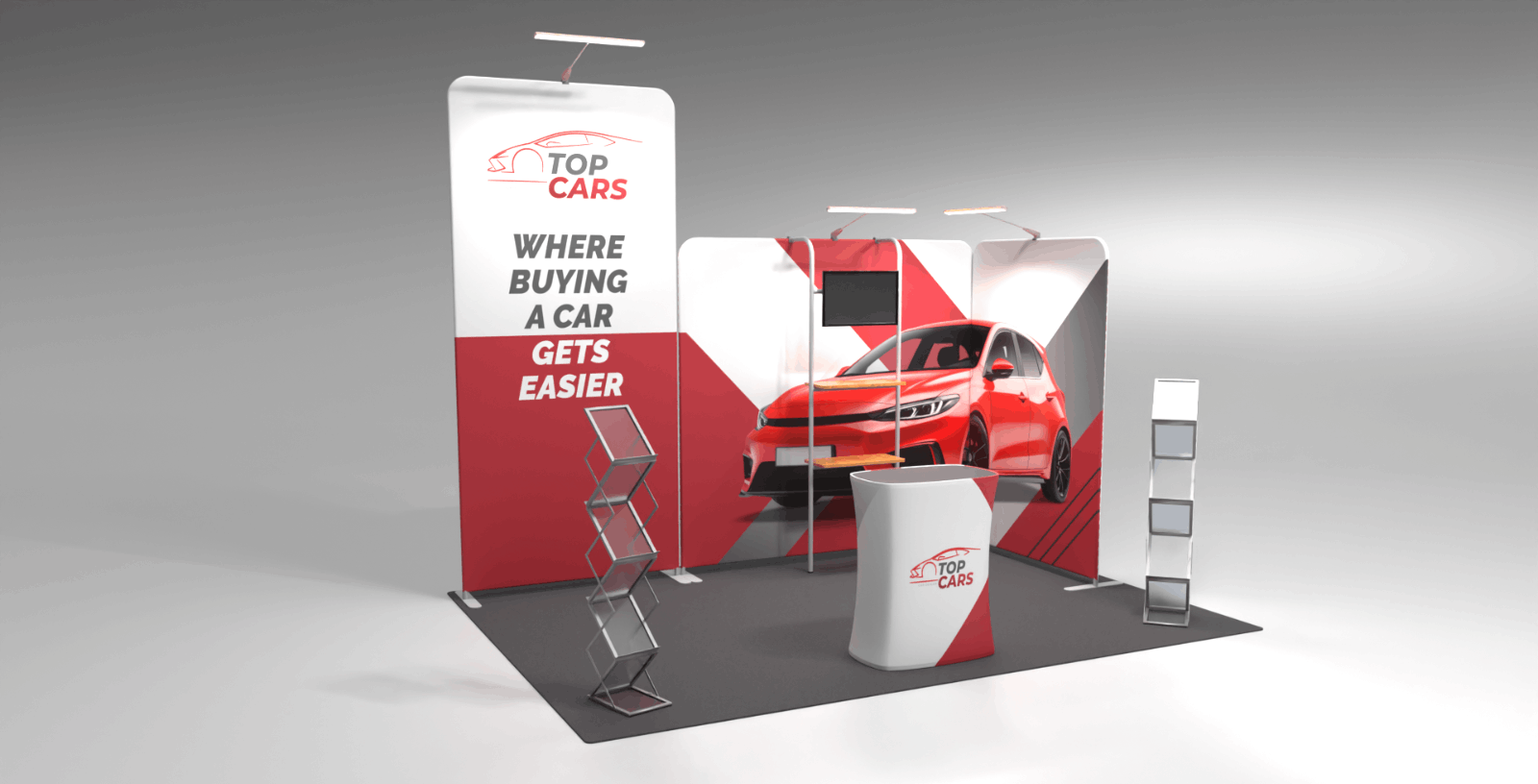
Izstāžu industrija strauji attīstās. Tas, kas darbojās pirms pieciem gadiem, joprojām darbojas arī šodien, taču labākie izstādes dalībnieki un mazumtirgotāji jau izmanto jaunas pieejas, kas atspoguļo mainīgās apmeklētāju cerības, bažas par vidi un tehnoloģiskās iespējas. Šo tendenču izpratne palīdzēs jums saglabāt aktualitāti un pieņemt gudrākus lēmumus par ieguldījumiem.
Ilgtspējība vairs nav izvēles iespēja
Atbildība par vidi ir mainījusies no patīkamas lietas uz pamata prasībām. Apmeklētāji, klienti un pasākumu organizatori arvien vairāk sagaida, ka zīmoli demonstrēs ilgtspējību savos materiālos, ražošanā un atkritumu apsaimniekošanā.
Uz auduma bāzes displeju sistēmas iegūst popularitāti tieši tāpēc, ka tie atbilst šīm vērtībām. SEG un auduma sprieguma displeji Izmantojiet vieglus, pārstrādājamus materiālus, kas salocās nelielā iepakojumā, tādējādi samazinot transportēšanas radītos izmešus. Rāmji kalpo gadiem ilgi, un, mainoties vēstījumam, ir jānomaina tikai apdrukātais audums, tādējādi ievērojami samazinot atkritumus salīdzinājumā ar vienreizlietojamām vinila vai PVC alternatīvām.
Atkārtota lietojamība ir galvenais. Modulāras sistēmas, kuras var pārveidot dažādiem pasākumiem, apvienojumā ar nomaināmu grafiku piedāvā zīmoliem nepieciešamo elastību, neradot vides izmaksas, kas saistītas ar sāšanu no nulles katru reizi. Pat āra apstākļos arvien vairāk priekšroka tiek dota izturīgiem, ilgmūžīgiem materiāliem, nevis vienreiz lietojamām iespējām. Teltis, karogi, un saulessargi kas iztur vairākas sezonas, tagad ir standarts nopietniem izstādes dalībniekiem.
Modularitāte un pielāgojamība ir būtiskas
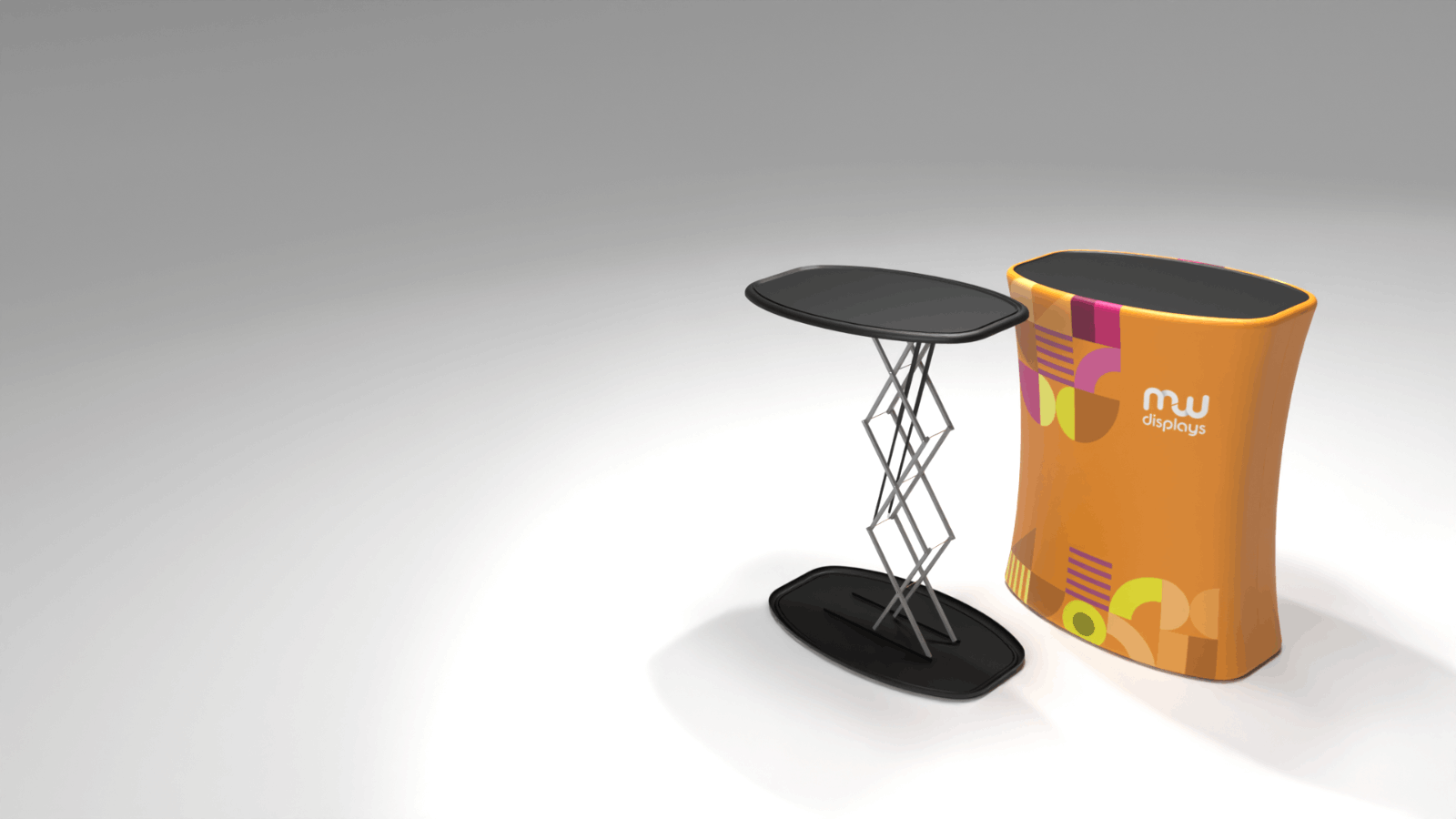 Pasākumu telpas ir ļoti dažādas. Displejs, kas lieliski darbojas lielā izmērā tirdzniecības izstāde var būt pārāk liels priekš korporatīvā konference vai pārāk formāla festivālam brīvā dabā. Zīmoliem, kas regulāri izstāda savus darbus dažādās norises vietās, ir nepieciešamas sistēmas, kas pielāgojas, neprasot pilnīgi jaunus iestatījumus.
Modulārs izstāžu stendi un aizmugurējo sienu sistēmas atrisināt šo problēmu. Atsevišķus paneļus var pievienot vai noņemt, pārveidot dažādos izkārtojumos un kombinēt ar skaitītāji, reklāmas stendi, un piekaramie displeji lai pielāgotos pieejamajai telpai. Šī elastība samazina uzglabāšanas prasības un palielina ieguldījumu atdevi.
Tā pati domāšana attiecas arī uz mazumtirdzniecības vidēs. Maināmas grafikas uz plakātu rāmji, gaismas kastes, un ceļa zīmes ļauj mazumtirgotājiem atjaunināt ziņojumapmaiņu katru nedēļu vai pat katru dienu, nemainot aparatūru.
Digitālā integrācija kļūst par standartu
Fiziskie displeji joprojām ir svarīgi, taču tos arvien vairāk atbalsta digitālie elementi, kas paplašina sasniedzamību un padziļina iesaisti. QR kodi ir pieejami. roll-ups un baneri novirzīt apmeklētājus uz produktu demonstrācijām, reģistrācijas veidlapām vai ekskluzīvu saturu. Ekrānuzņēmumi, kas iegulti izstāžu stendi piegādāt video saturu, ko nebūtu iespējams nodot tikai ar statisku grafiku.
Hibrīdi pasākumi — klātienes klātbūtnes apvienošana ar virtuālu līdzdalību — ir normalizējuši prasības, ka fiziskajiem displejiem ir labi jādarbojas arī kameras priekšā. Tas ietekmē dizainu: augsta kontrasta grafika, tīrs izkārtojums un minimāla nekārtība labāk atbilst video nekā pārpildīti, ar tekstu pārpildīti displeji.
Pat tīri fiziskā vidē digitālie rīki maina to, kā tiek plānotas un apstiprinātas ekspozīcijas. Paplašinātās realitātes lietotnes ļauj izstādes dalībniekiem vizualizēt, kā... aizmugurējā siena vai auduma spriegošanas sistēma pirms ražošanas uzsākšanas izpētīs konkrētu norises vietu, tādējādi samazinot dārgas kļūdas un paātrinot lēmumu pieņemšanu.
Vienkāršība un skaidrība piesaista uzmanību
Izstāžu zāles un mazumtirdzniecības telpas ir trokšņainākas un pārpildītākas nekā jebkad agrāk. Apmeklētāji ir pārņemti ar izvēles iespējām, un viņu uzmanības noturība ir īsa. Reaģējot uz to, vēstījums kļūst vienkāršāks, drosmīgāks un tiešāks.
Tendence ir attālināties no blīviem teksta blokiem un virzīties uz atsevišķiem, ietekmīgiem virsrakstiem, ko papildina spēcīgi vizuālie elementi. Displeja sistēmas tiek veidoti ar lielākiem grafiskajiem laukumiem un minimāliem uzmanības novēršanas faktoriem. Zīmoli apzinās, ka viens skaidrs vēstījums, ko redz daudzi, ir vērtīgāks par desmit vēstījumiem, ko neredz neviens.
Šī maiņa ir redzama visā mazumtirdzniecības reklāma, tirdzniecības vietas displeji, un āra izkārtnes. Vislabāk funkcionējošie displeji nodod savu galveno vēstījumu mazāk nekā trīs sekundēs — jebkas ilgāks rada risku zaudēt skatītāju pirms iesaistes sākuma.
Dominē vieglas, pārnēsājamas sistēmas
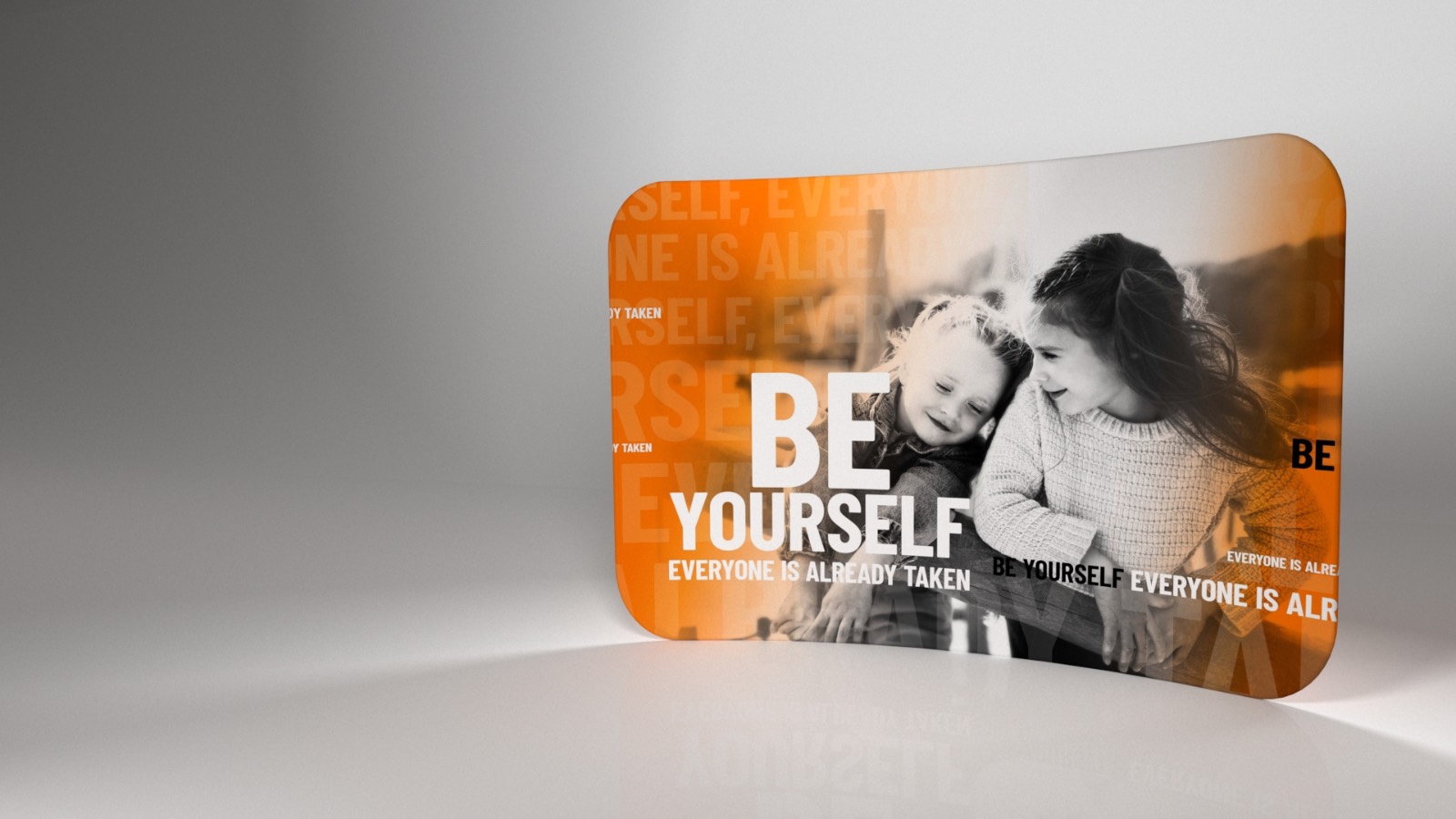 Loģistika ir dārga, un uzstādīšanas laiks ir ierobežots. Izstādes dalībnieki pāriet no smagām, sarežģītām instalācijām uz vieglām sistēmām, kuras viens vai divi cilvēki var transportēt un salikt bez instrumentiem vai īpašām zināšanām.
Auduma grafika ir bijusi šīs pārmaiņas centrā. Pilns aizmugurējās sienas displejs kam kādreiz bija nepieciešams furgons un komanda, tagad var ievietot kastē uz riteņiem un uzstādīt dažu minūšu laikā. Reklāmas stendi un roll-ups ir vieglākas nekā jebkad agrāk, un vēl lielākās sistēmās tiek izmantoti alumīnija rāmji un spriegošanas audumi, lai samazinātu svaru, nezaudējot stabilitāti.
Šī tendence attiecas arī uz āra displejiem. saliekamās lapenes ir konstruēti tā, lai būtu izturīgi, tomēr pārnēsājami un saliekami karogu pamatnes atvieglot augstu, redzamu zīmolu transportēšanu uz festivāliem un pasākumiem brīvā dabā, nealgojot specializētus transportlīdzekļus.
Pieredze pār informāciju
Ir manāma pāreja no tīri informatīviem displejiem uz pieredzes displejiem. Apmeklētāji nevēlas lasīt — viņi vēlas mijiedarboties, izpētīt un atcerēties.
Zīmoli iekļauj taustes elementus, produktu paraugus un telpas, kas paredzētas sarunām, nevis pārraidēm. Letes un galdi tiek izmantotas ne tikai kā virsmas, bet arī kā demonstrāciju un dialoga centri. Vitrīnas demonstrēt produktus tā, lai tie rosinātu rūpīgāku apskati. Pat vienkārši papildinājumi, piemēram, kāju ķebļi un kubi mudiniet apmeklētājus palēnināt tempu un iesaistīties, nevis paiet garām.
Iekšā biroja vidē, šī tendence izpaužas kā dinamiskāka izmantošana biroja dēļi, paziņojumu dēļi, un brošūru turētāji— pārejot no statiskas informācijas uz regulāri atjauninātu, vizuāli saistošu saturu, kas nodrošina komandu informētību un motivāciju.
Raugoties nākotnē
Virziens ir skaidrs: displeji kļūst vieglāki, ilgtspējīgāki, pielāgojamāki un pieredzes ziņā pievilcīgāki. Tehnoloģijas turpinās integrēties ar fiziskajām sistēmām, taču pamatprincipi — skaidra vēstījuma sniegšana, spēcīgs dizains un pārdomāta iesaistīšanās — nemainīsies.
Veiksmīgie zīmoli būs tie, kas iegulda līdzekļus kvalitatīvās sistēmās, kas paredzētas atkārtotai izmantošanai, saglabā pietiekami elastīgu pieeju, lai pielāgotos dažādām telpām un auditorijām, un nekad neaizmirst faktu, ka displeji pastāv, lai uzsāktu sarunas, nevis tikai sniegtu informāciju.
Apskatiet visu klāstu displeju sistēmas, baneri, un izkārtņu risinājumi vietnē Displayproducts.eu, lai izpētītu, kas ir iespējams jūsu nākamajam pasākumam vai instalācijai.