Tā kā ir pieejams tik daudz displeja produktu — sākot ar uznirstošajiem baneriem un izstāžu stendiem līdz gaismas kastēm, karogiem un firmas teltīm —, var būt grūti zināt, ar ko sākt. Labā ziņa ir tā, ka pareizā displeja izvēlei nav jābūt sarežģītai. Uzdodiet sev trīs jautājumus: kur tas tiks izmantots, cik ilgi tam jākalpo un kāds vēstījums tam jāpauž? Atbildes ātri sašaurinās jūsu izvēles iespējas.
1. darbība. Sāciet ar vidi
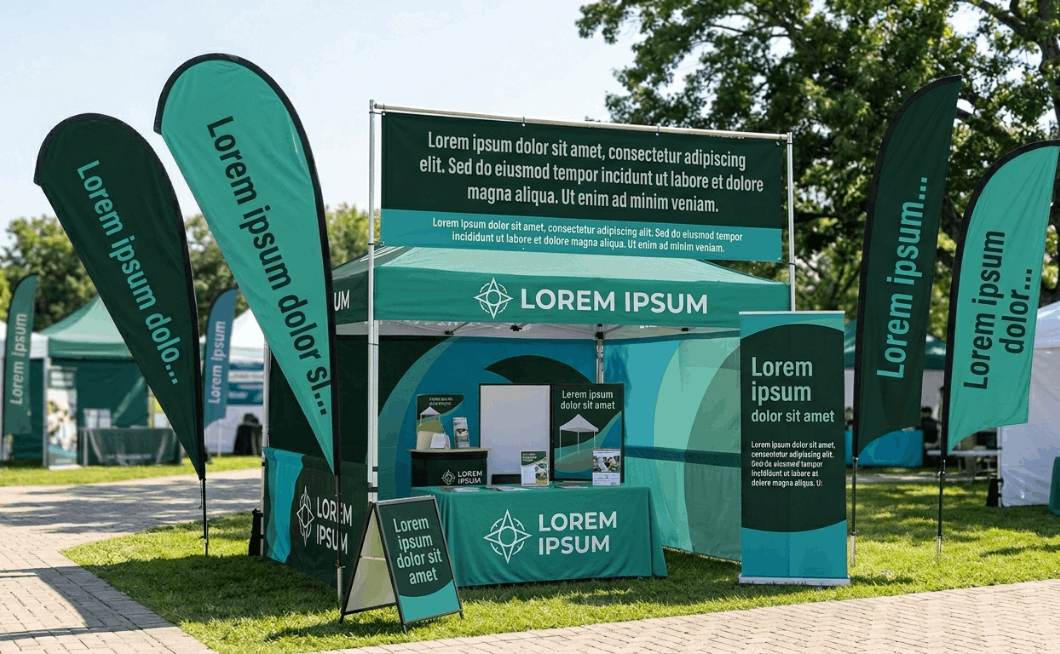 Vissvarīgākais faktors displeja izvēlē ir tā izmantošanas vieta. Iekštelpu un āra videi ir ļoti atšķirīgas prasības, un displejs, kas lieliski izskatās konferenču zālē, varētu būt problemātisks vējainā festivāla norises vietā.
Lietošanai iekštelpās gandrīz jebkurš displeja formāts ir piemērots — roll-ups, aizmugurējās sienas, gaismas kastes, un izstāžu stendi ir uzticamas izvēles atkarībā no jūsu uzstādīšanas mēroga. Lietošanai ārpus telpām prioritāte ir stabilitāte un izturība pret laikapstākļiem. Karogi ar svērtām bāzēm, komerciālas klases teltis, un baneri Izgatavoti no sieta vai PVC, visi ir paredzēti lietošanai vējā un lietū, nezaudējot savu vizuālo iespaidu.
2. darbība. Pielāgojiet attēlojumu notikumam
Dažādiem pasākumiem nepieciešami atšķirīgi risinājumi. Displejs, kas ir ideāli piemērots tirdzniecības izstādei, var būt par daudz vienas dienas uznirstošajam stendam, un viegls roll-up stends, kas labi darbojas konferencē, var neradīt pietiekamu klātbūtni lielā brīvdabas festivālā. Padomājiet par pasākuma mērogu, telpas lielumu un to, cik daudz laika jums ir nepieciešams uzstādīšanai un iesaiņošanai.
Izstādēm un tirdzniecības izstādēm
Tirdzniecības izstādē jūsu stendam ir jāstrādā cītīgi no brīža, kad durvis tiek atvērtas. Apvienojumā ar aizmugurējā siena vai auduma sprieguma displejs fonam, roll-ups blakus ziņojumapmaiņai un a skaitītājs apmeklētāju piesaistei ir pārbaudīta formula. Pievienot piekaramie displeji Ja jūsu norises vietā ir atļauts izvietot izkārtnes virs galvas, tās uzlabo redzamību no visas rosīgās grīdas.
Mazumtirdzniecības videi
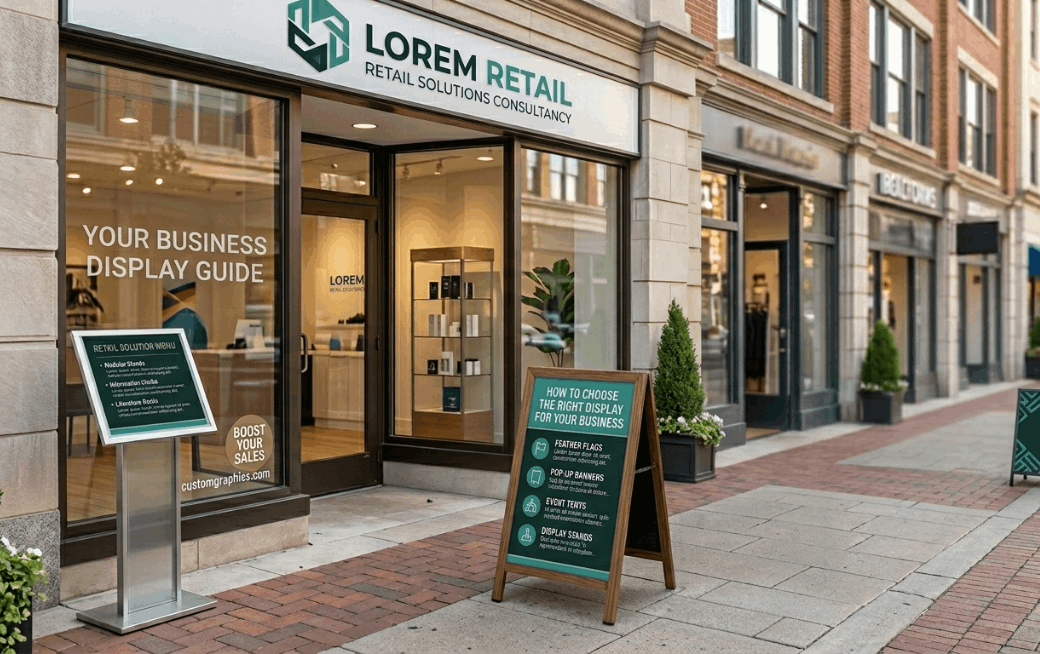 Mazumtirdzniecībā mērķis ir vadīt un pārliecināt īstajā brīdī. Sāciet no ārpuses ar ceļa zīme vai A-veida tāfele lai palielinātu apmeklētāju skaitu, tad slāņojieties plakātu rāmji, gaismas kastes, un tirdzniecības vietas displeji veikala iekšpusē. Saglabājiet ziņojumapmaiņu fokusētu — viens skaidrs ziņojums katrā displejā ir efektīvāks nekā mēģinājums visu nodot uzreiz.
Āra pasākumiem un festivāliem
Ārā prioritāte ir redzamība un izturība. Augsti karogi ir redzami virs pūļa augstuma, pēc pasūtījuma apdrukātas teltis izveidot definētu zīmola telpu un saulessargi un atpūtas krēsli Palieliniet komfortu, kas ilgāk notur apmeklētājus jūsu stendā. Vienmēr pārbaudiet āra aprīkojuma vēja izturību un izmantojiet atbilstošas pamatnes un enkurošanas elementus.
3. solis. Apsveriet atkārtotu izmantojamību un budžetu
Displejs ir ieguldījums, ne tikai izdevumi, un izmaksas par vienu lietošanas reizi ievērojami samazinās, ja displejs tiek izmantots vairākas reizes. Ja regulāri rīkojat izstādes vai reklāmas, ir vērts tērēt nedaudz vairāk līdzekļu izturīgai, atkārtoti izmantojamai sistēmai ar nomaināmu grafiku, nevis iegādāties jaunu displeju katram pasākumam.
SEG un auduma spriegošanas sistēmas ir lieliski piemēroti šim nolūkam — rāmis kalpo gadiem ilgi, un, mainoties jūsu vēstījumam, ir jāatjaunina tikai grafika. Līdzīgi, baneru rāmji ar maināmām apdrukām nodrošina ilgtermiņa elastību, neradot izmaksas par visa displeja nomaiņu.
4. solis. Apsveriet visu ainu
Visefektīvākie displeji nedarbojas izolēti — tie darbojas kā daļa no saskaņota kopuma. Vienota krāsu palete, fonts un grafiskais stils visā aizmugurējā sienā, roll-up stendos, letē un informatīvajos materiālos rada profesionālu, neaizmirstamu iespaidu, ko reti kad var panākt ar vienu displeju atsevišķi. Pirms pirkšanas padomājiet par to, kas vēl atradīsies telpā un vai izvēlētais displejs to papildinās vai konkurēs ar to.
Apskatiet visu klāstu displeju sistēmas, baneri, un izkārtņu risinājumi vietnē Displayproducts.eu, lai atrastu pareizo kombināciju savam nākamajam pasākumam, kampaņai vai pastāvīgajai instalācijai.