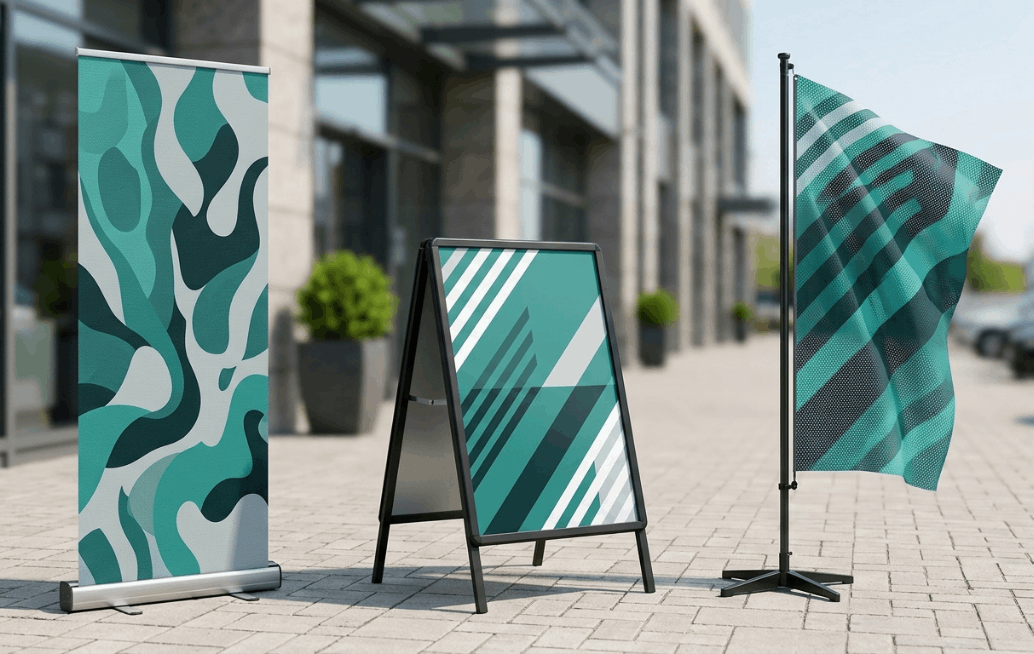
Ekraani jaoks valitud materjal mõjutab kõike alates vastupidavusest ja kaasaskantavuse kuni trükikvaliteedi ja visuaalse muljeni. Erinevad kangad ja alusmaterjalid sobivad erinevateks rakendusteks ning põhitõdede mõistmine aitab teil teha teadlikke otsuseid, mis tasakaalustavad kvaliteeti, hinda ja pikaealisust.
1. samm — teadke peamisi materjalikategooriaid
Väljapanekumaterjalid jagunevad mitmesse laiemasse rühma, millel kõigil on erinevad omadused, mis muudavad need enam-vähem sobivaks teatud keskkondadesse ja kasutusaladele.
- Kangas ja tekstiilmaterjalid on siseruumides eksponeerimiseks üha populaarsemad. Need on kerged, mahuvad väikselt kokku ja pakuvad rikkalikke, erksaid prinditud materjale, mis sobivad suurepäraselt näitusevalgustuse alla. Kangad on alus SEG ja kanga pinge näidikud, palju tagaseinad, ja lisatasu rull-upi. Neid saab masinpesta ja korralikult hooldades aastaid uuesti kasutada.
- PVC ja vinüül on väljapanekumaailma tööhobused. Vastupidavad, veekindlad ja sobivad nii sise- kui ka välistingimustes kasutamiseks – PVC-bännerid on levinud väliüritused, peal kõnniteemärgid, ja üle jaemüügisildid. Need on kangast raskemad, kuid pakuvad suurepärast ilmastikukindlust ja pikka eluiga nõudlikes tingimustes.
- Võrgusilma materjalid on loodud spetsiaalselt välistingimustesse, kus tuul on probleemiks. Võrkbännerid lasevad õhul läbi pääseda, vähendades tuulekoormust ja muutes need ideaalseks lipud, suureformaadilised välibännerid ja kõik ilmastikutingimustele avatud väljapanekud.
- Jäigad aluspinnad – näiteks vahtplaat, Correx, Dibond ja akrüül – kasutatakse struktureeritud väljapanekute jaoks, mis peavad oma kuju hoidma. Neid materjale leiate siit plakati seinaraamid, kontoritahvlid, vitriinid, ja püsiv müügikoha paigaldused.
2. samm – sobitage materjal keskkonnaga
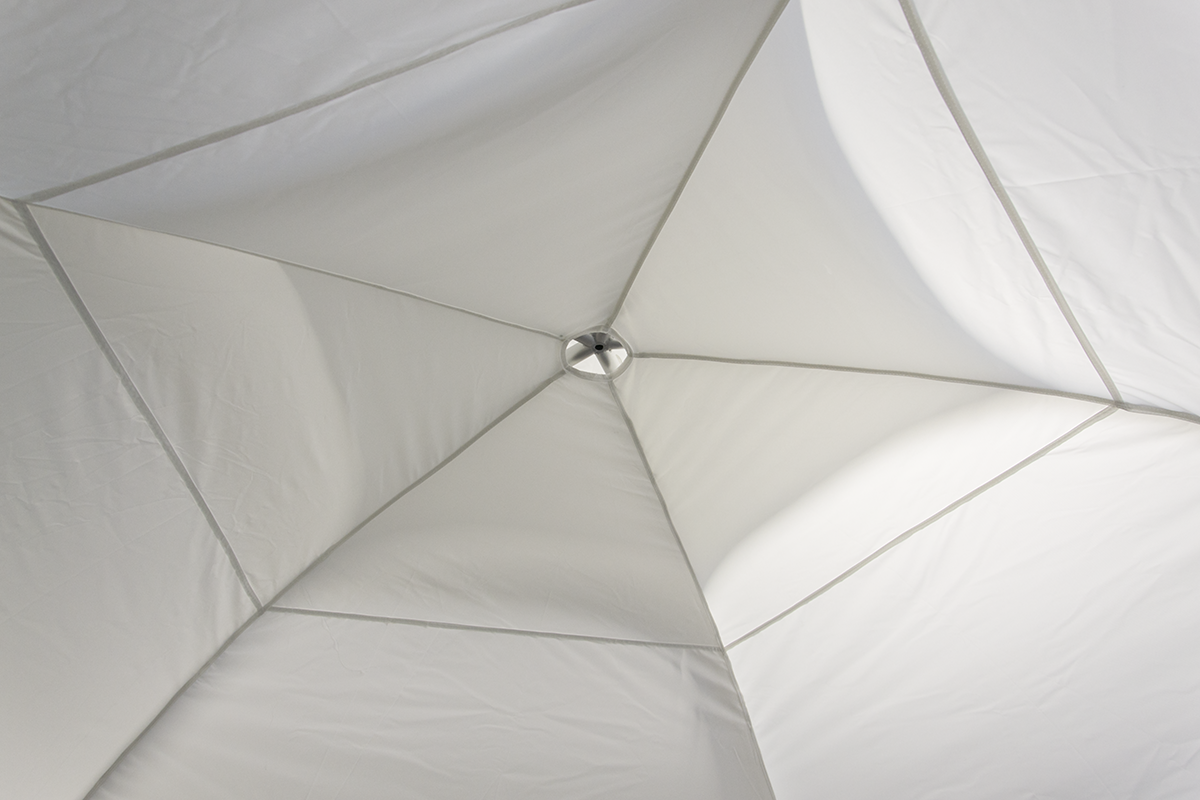 Materjali valikul peaks alati lähtuma sellest, kus ja kui kaua väljapanekut kasutatakse.
Siseruumides toimuvate messide ja näituste jaoks, kangas on sageli parim valik. See annab kvaliteetseid prinditud materjale minimaalse peegeldusega, pakitakse kergesti hallatavatesse kottidesse ja seda saab korduvalt kasutada. Enamik näitusestendid ja reklaamstendidNüüd kasutage kangagraafikat just sel põhjusel – need näevad välja professionaalsed, sobivad hästi reisimiseks ja peavad vastu sagedase kasutamise raskustele.
Välistingimustes kasutamiseks, eelistage ilmastikukindlust. PVC on usaldusväärne ja universaalne materjal – veekindel, UV-kindel ning piisavalt tugev, et taluda vihma ja mõõdukat tuult. Võrk on parem valik, kui tuul on oluline murekoht, eriti kõrgete bännerite või lipud paigaldatud avatud kohtadele. Mõlemad materjalid sobivad hästi telgid, päikesevarjud, ja suur välibränding aadressil festivalid ja spordiüritused.
Jaemüügiks ja püsipaigaldisteks, Jäigad materjalid on sageli mõistlikumad. Need säilitavad karge ja tasase välimuse ning neid saab kindlalt seintele, tööpindadele või raamidele kinnitada. Valguskastid tavaliselt kasutatakse taustvalgustusega kilesid või jäiku poolläbipaistvaid paneele teadetetahvlid ja menüütahvlid saada kasu vahupõhiste või alumiiniumkomposiitmaterjalide struktuurist ja pikaealisusest.
3. samm – mõelge prindikvaliteedile ja viimistlusele
Kõik materjalid ei prindi ühtemoodi. Kangas sobib värvisublimatsiooniks, mis loob sujuvad üleminekud ja erksad värvid ilma vinüülile omase pinna läiketa. See teeb kanga ideaalseks fotode ja brändikesksete kujunduste jaoks, kus visuaalne kvaliteet on esmatähtis.
PVC-d ja vinüüli trükitakse tavaliselt digitaalselt lahusti- või UV-tintidega. Tulemus on julge ja vastupidav, kuigi materjalil endal on kerge läige, mis võib valgust peegeldada. See ei ole õues ega hästi valgustatud jaemüügipindadel probleem, kuid tasub kaaluda, kui teie väljapanekut pildistatakse või kasutatakse hämaras keskkonnas.
Väikeste perforatsioonidega võrktrükid, mistõttu võivad peened detailid kaduma minna. See sobib kõige paremini suurema graafika, julgete värvide ja lihtsa küljendusega. See ei ole materjal keeruka tüpograafia või detailse fotograafia jaoks – aga tuulise ilmaga maksimaalse nähtavuse tagamiseks on see parim.
4. samm – mõelge kaalule, kaasaskantavuse ja seadistamise peale
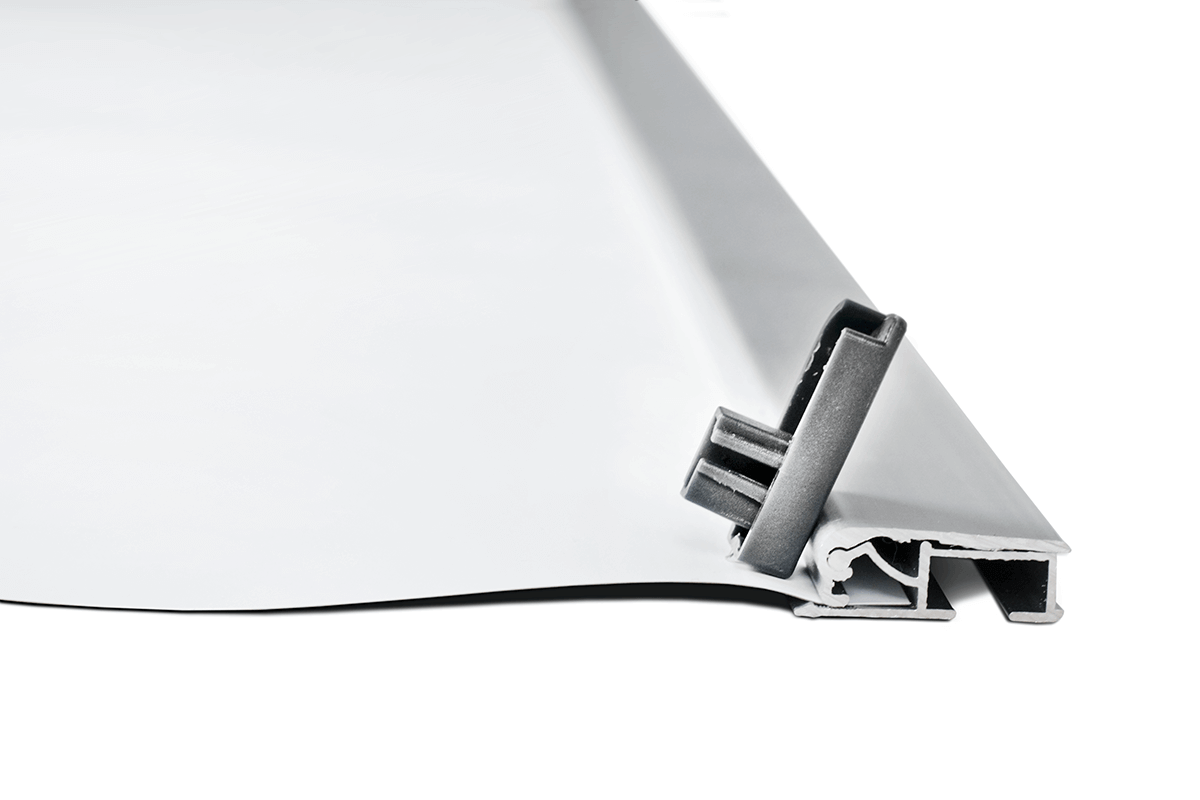 Materjalide kaal on väga erinev ja see mõjutab otseselt transporti, ülespanekuaega ja kasutusmugavust – eriti kui eksponeerite sageli või haldate väljapanekuid mitmes asukohas.
Kangas on kaugelt kõige kergem variant. Täis tagaseina süsteem kangagraafikaga tooteid saab sageli pakkida ühte kandekotti ja üks inimene saab kokku panna vähem kui 15 minutiga. See muudab kangapõhised süsteemid populaarseks firmaüritusedja messid, kus aeg ja logistika loevad.
PVC on raskem ja mahukam, kuid enamiku rakenduste jaoks siiski talutav. Bännereid saab rullida, kuigi suureformaadiliste trükiste ohutuks käsitsemiseks ja paigaldamiseks võib vaja minna kahte inimest. Kui teie ekraan jääb paigale nädalateks või kuudeks – näiteks hoone fassaadile või ... jaemüügikoht — lisakaal on harva probleem.
Jäigad lauad on kõige raskemad ja kõige raskemini teisaldatavad, kuid struktureeritud ja püsiva välimusega installatsiooni loomisel on neil võrratuid omadusi. Need sobivad ideaalselt kontorikeskkonnad, brošüürihoidjad, ja kõik sätted, kus ekraani ei pea regulaarselt liigutama.
5. samm – arvesta pikaealisuse ja asendatavusega
Hästi valitud materjal peaks vastu pidama nii kaua kui vaja – aga mitte kauem kui sõnum ise. Välitingimustes kasutatavad PVC-bännerid võivad parasvöötmes vastu pidada mitu aastat, kuid tugeva päikese või rannikutuule käes pleekivad ja lagunevad kiiremini. Kangast graafikat saab õigesti hoiustades kümneid kordi taaskasutada, mistõttu on see regulaarsetele eksponentitele nutikas pikaajaline investeering.
Paljud tänapäevased kuvamissüsteemid – eriti kanga pingutusraamid ja rippuvad väljapanekud — on disainitud vahetatavat graafikat silmas pidades. Raam jääb samaks; ainult trükitud kangast tuleb teie kampaania või brändingu muutumisel uuendada. See vähendab oluliselt kasutuskulusid ja jäätmeid aja jooksul.
Lõppmõtted
Õige materjali valimine ei seisne mitte parima variandi leidmises, vaid just teie konkreetse olukorra jaoks sobivaima variandi leidmises. Mõelge, kus väljapanekut kasutatakse, kui tihti seda liigutatakse, millist pildikvaliteeti vajate ja kui kaua sõnum asjakohane püsib. Õige materjal teeb oma tööd vaikselt ja tõhusalt, lastes teie sõnumil olla kesksel kohal.
Sirvi kogu valikut väljapanekusüsteemid, bännerid, ja sildilahendused saidil Displayproducts.eu, et leida oma järgmise projekti jaoks sobiv materjalide ja vormingute kombinatsioon.